Reselling Guides
Reseller Tax Deductions: What eBay Sellers Can Actually Write Off
Reseller tax deductions explained: cost of goods sold, 2026 mileage at 72.5 and 76 cents, the home office rule, and what eBay sellers cannot deduct.
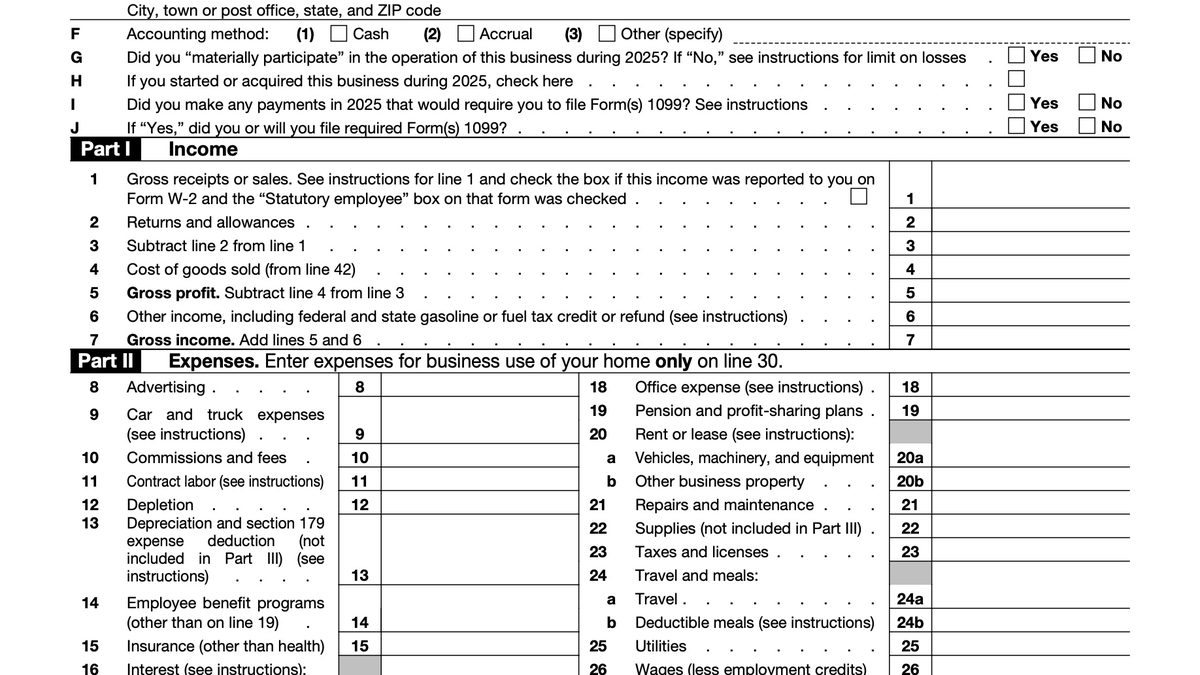
Most resellers track what an item sold for. Far fewer track what it cost to get there, and that gap is the single most expensive habit in this business. You pay tax on profit, and profit is whatever is left after your real costs come off. Every cost you failed to write down is money you hand over for no reason.
Here is what a reselling operation actually gets to subtract, where each piece lands on the form, and the two rules that trip people up the most.
Cost of goods sold is the big one, and the timing surprises people
The thrift store receipt, the estate sale cash, the pallet invoice. That is cost of goods sold, and for most resellers it dwarfs every other deduction combined.
The catch is when you get to take it. You do not deduct an item in the year you buy it. You deduct it in the year it sells. IRS Publication 334 is direct about this: if you buy products to resell, you deduct that cost when you sell it, not when you pay for it.
That matters at the end of December. Buying six totes of inventory on December 28 does not shrink this year's tax bill, because none of it has sold yet. It just moves cash onto a shelf. Sellers who load up in Q4 expecting a write-off are often disappointed in April.
Small sellers do get a simpler bookkeeping method under section 471(c), and with a 32 million dollar gross receipts threshold for 2026, every reseller reading this qualifies. It changes the paperwork, not the basic idea that costs follow the sale. Ask a preparer about it rather than switching off a blog post.
The deduction most resellers leave on the table is mileage
Sourcing runs are business miles. The thrift route, the bins, the estate sale two towns over, the post office drop. Those miles count, and almost nobody logs them.
The IRS raised the rate partway through 2026, so this year has two numbers and you have to split your log at the midpoint.
| 2026 business miles driven | Standard rate per mile |
|---|---|
| January 1 through June 30 | 72.5 cents |
| July 1 through December 31 | 76 cents |
Run the math on a modest week. Forty sourcing and shipping miles, fifty weeks a year, is 2,000 miles. At the second-half rate that is 1,520 dollars off your taxable income, from driving you were already doing. All it takes is a log with the date, the miles, and where you went.
The standard rate covers gas, wear, and insurance, so you do not deduct those separately. It is the standard rate or actual vehicle costs, not both.
The costs you already paid without thinking about them
These are ordinary business expenses, deducted in the year you pay them, and they sit in Part II of Schedule C.
| What you spent | Where it belongs |
|---|---|
| Final value fees, per-order fees, store subscription | Commissions and fees |
| Promoted listing and ad spend | Advertising |
| Shipping labels you bought | Part of cost of goods sold or other expenses, applied consistently |
| Boxes, poly mailers, tape, thermal labels | Supplies |
| Scale, label printer, shelving, phone tripod | Supplies, or depreciation for larger items |
| Vendor license, business permits | Taxes and licenses |
| Storage unit rent | Rent or lease, other business property |
| Listing tools and subscriptions | Office expense |
Notice how many of these are already itemized for you. Fees and label costs sit in your eBay payout statements right now. Pulling them once a month takes minutes.
Home office has a rule that disqualifies most resellers
This one gets recommended constantly in reselling groups, usually by people who do not qualify for it.
The space has to be used exclusively and regularly for business. Exclusively is the word that does the work. A spare room that is only your listing and storage room qualifies. The corner of a living room that is also where the family watches TV does not. The IRS does carve out storage of inventory as a qualifying use, which helps resellers, but the exclusive-use standard still applies to that space.
If you do qualify, the simplified method is the easy path: 5 dollars per square foot, up to 300 square feet, capped at 1,500 dollars a year. No receipts, no depreciation to track, no recapture later. A 150 square foot room is 750 dollars.
Do not stretch this one. It is a real deduction with a bright line, and a bright line is exactly the kind of thing that does not survive a question.
What you cannot write off
Shorter list, and it saves arguments.
- Personal clothes you bought and decided to sell later. Your own closet has no business cost basis to deduct.
- The full value of an item you donated out of inventory. You already deduct what you paid for it as cost of goods sold, so you do not also take a charitable deduction on the same item.
- Time. Your hours sorting and listing are not a deductible expense.
- The personal share of anything mixed. Half a phone bill used for business is half a deduction, not a whole one.
The habit that pays for all of it
None of this requires software. It requires that four numbers exist for every item before the sale is a memory: what you paid, what it sold for, what the platform took, and what shipping cost. Add a mileage log in the glovebox and a folder for supply receipts.
Do that and April is a morning of adding columns. Skip it and you are reconstructing a year from bank statements, guessing at buy costs, and almost certainly paying tax on money you never kept. For a fuller picture of the reporting side, the eBay 1099-K threshold post covers what the platform sends the IRS and why the number on it is bigger than what you made.
This is general information, not tax advice. Your situation and your state have their own wrinkles, and once you are selling steadily, a preparer who has handled resellers before is worth the fee.
Sources: IRS, Standard mileage rates; IRS, Topic no. 509, Business use of home; IRS, Simplified option for home office deduction; IRS, Publication 334, Tax Guide for Small Business; IRS, Schedule C (Form 1040) (public domain, used for the image above).