Reselling Guides
How Much Money Do You Need to Start Reselling? The Real Startup Budget
How much money do you need to start reselling? The real budget: platform costs, supplies, and the inventory float, with numbers from 156 real flips.
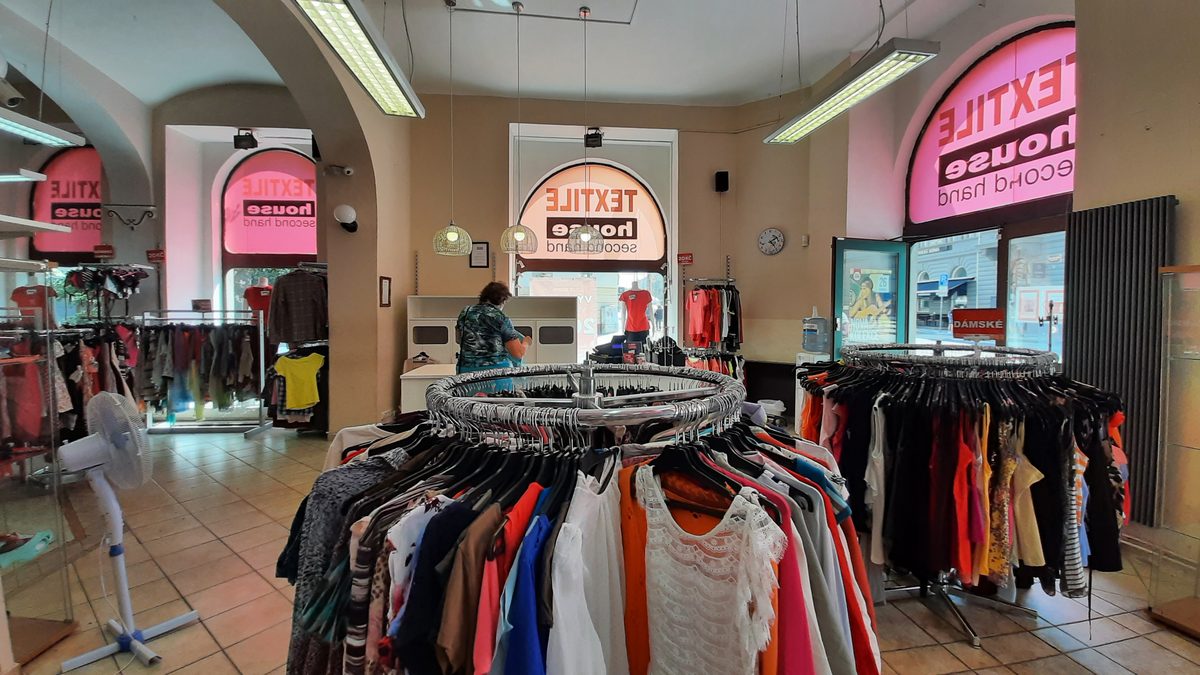
Ask what it costs to start reselling and you get two useless answers. One says nothing, you can start for free. The other says you need a few thousand dollars of inventory before the math works. Neither helps you decide whether to put fifty dollars in or five hundred. So here is the budget split into its three real parts, with our own buy costs and sale prices doing the talking.
Part one: the platform costs nothing to start
This is the part people overestimate. Opening a seller account on eBay is free, and listing is free up to a point. You get up to 250 zero insertion fee listings every month. Past that allowance, most categories charge 35 cents per listing.
Nothing comes out of your pocket until an item sells. When it does, eBay takes 13.6 percent of the total sale in most categories, plus a per-order fee of 30 cents on orders of 10 dollars or less and 40 cents on orders over 10 dollars (eBay selling fees).
Read that structure carefully, because it changes how you budget. The platform is not a startup cost. It is a cut of money you have already collected. You never have to fund it in advance. A store subscription is also optional and almost always wrong at the start, which we walk through in the eBay store break-even math.
Part two: supplies, and the short list that matters
Supplies are a real cost, just a small one, and most of the pile people buy on day one is unnecessary. The things that touch every single order are poly mailers, real packing tape, and a scale. That is the bench. A thermal printer, shelving, and a light kit all wait until volume forces them, and we sort that line in what you need to start reselling, and what you can skip.
Two moves hold this number down. First, USPS gives away Priority Mail and Flat Rate packaging for free, though only for packages shipping on those services, which is the catch covered in free shipping supplies. Second, every plain box that arrives at your door is free packaging you already own. Buy mailers, tape, and a scale, and get the rest for nothing. The scale pays for itself fastest, for the reason laid out in the two tools to buy first.
Part three: the inventory float, which is the actual answer
Here is where the real money goes, and where a dollar figure finally means something. Your startup cost is the cash you tie up in items that have not sold yet. Not spent, tied up. It comes back when the item sells, and then it buys the next one.
So the question becomes what a buy budget actually purchases. We can answer that with our own ledger instead of guessing. Across 156 flips where we logged the real buy cost and the real sale, this is what the numbers look like.
| Measure | Our 156 logged flips |
|---|---|
| Median buy cost | $5.00 |
| Share bought at $5 or less | 90 percent |
| Median sale price | $23.49 |
| Median profit after fees | $13.85 |
| Total spent on inventory | $1,141.57 |
| Total profit after fees | $2,678.90 |
| Profit per dollar of buy cost | $2.35 |
Those are thrift-rack prices on common goods, mostly apparel. Nothing exotic, nothing bought at auction. The useful number is the median buy cost of five dollars, because it converts a budget into a pile of items.
| Starting budget | Items at our $5 median | What that is |
|---|---|---|
| $25 | 5 | A single thrift trip |
| $50 | 10 | Enough to learn the full loop |
| $100 | 20 | A real working shelf |
| $250 | 50 | Well inside the 250 free listings |
Fifty dollars is a serious start. Not a token one. Ten items is enough to photograph, list, price, ship, and get feedback on every step of the process, which is the only thing that matters in month one.
Why the float recycles faster than you expect
Our median item sold for $23.49 and cleared $13.85 after fees. That means a single five dollar buy that sells returns the original five plus roughly fourteen more. The five goes back to work and the fourteen is yours.
Run that out and a fifty dollar float stops being fifty dollars of buying power pretty quickly. The constraint early on is almost never cash. It is listing time and sourcing time. People who stall out at the start are usually short on hours, not short on inventory money.
The part a budget post should not hide
Items lose money. Four of our 156 priced flips came out negative, and the worst one lost $17.47. That is the honest shape of it, one loser in roughly forty. The way you keep that ratio small is checking what an item has recently sold for before you hand over the five dollars, which is the whole habit behind pricing with eBay sold comps.
Also budget for shipping before payout. You pay for a label the day the item sells, and eBay sends your money on its own schedule, covered in when eBay pays you. Keep a small cushion so the first week of labels is not a problem.
So what is the number
If you want one figure, it is fifty dollars for inventory plus whatever mailers, tape, and a scale run you locally. That funds ten items at our median buy cost, with the platform charging nothing until something sells.
Start smaller if fifty is tight. Five items teaches the loop. Do not start bigger on item one, because a large first buy is where new sellers pay tuition on a category they have not learned yet. Buy small, sell it, buy again with the proceeds.
That sequencing is the part worth getting right, and it is what we teach in order inside The Income Lab, from sourcing a category on purpose to pricing it so the profit survives the fees.