Reselling Guides
Reselling Laws: What You Can and Cannot Legally Resell
Reselling laws let you flip most genuine used goods. Learn how first sale works and the counterfeit, recall and stolen goods lines you cannot cross.
Somebody in a reselling group swears a brand can sue you for flipping its sneakers. Somebody else says anything you paid for is yours to sell. Neither one is right, and the gap between them is where sellers get hurt. Reselling laws in the United States are friendlier than most beginners fear, but a few hard lines apply no matter how little you paid or how honest you were at the register.
This is general information and not legal advice, so take a specific question about your own inventory to a lawyer or the agency that enforces the rule.
Why reselling laws let you sell most of what you buy
The rule doing the heavy lifting is called the first sale doctrine. On the copyright side it is written into federal law: 17 U.S.C. 109(a) says the owner of a particular copy lawfully made under the copyright act may sell it without the copyright owner's permission. That is why a used book or DVD can change hands without a call to the publisher.
Two phrases carry weight. "Particular copy" means the one you own, so selling a burned duplicate of that DVD is outside the rule. "Lawfully made" rules out bootlegs from the start. In 2013, Kirtsaeng v. John Wiley and Sons extended the doctrine to copies lawfully made abroad.
Patents follow similar logic. In Impression Products v. Lexmark, the Court said a patent holder's decision to sell a product exhausts its patent rights in that item "regardless of any restrictions" it tries to impose. Any rights left over are a matter of contract, so a restriction you actually agreed to is a separate question.
Can you use the brand name on a used item?
Generally yes, as long as the description is true. The classic case is Champion Spark Plug v. Sanders from 1947, where a company reconditioned used Champion plugs and resold them under the Champion name. The Court allowed it with the plugs marked as used or repaired, writing that "full disclosure gives the manufacturer all the protection to which he is entitled."
For a reseller, that means condition honesty. A worn polo is still that brand's polo, so name the brand and say what shape it is in.
There is an edge on factory goods. A law firm review of gray market cases explains that a brand's resale control generally ends after an authorized sale only if the product is not materially different, and it cites courts treating removed batch codes as a material difference. So do not scrub codes off fragrance or beauty stock.
What you cannot legally resell
| Item | Can you resell it? | The rule behind it |
|---|---|---|
| Genuine used clothing and shoes | Yes, described honestly | Champion Spark Plug |
| Lawfully made books, DVDs and games | Yes | 17 U.S.C. 109(a) |
| Copies you burned, or bootlegs | No | Not covered by first sale |
| Counterfeit goods | No | 18 U.S.C. 2320, plus platform policy |
| Recalled consumer products | No, unless repaired under the recall | 15 U.S.C. 2068 |
| Most cribs made before June 28, 2011 | No, without written proof it meets the standard | CPSC resellers guide |
| Drop-side cribs | No | CPSC resellers guide |
| Stolen goods | No | State theft law, such as Ohio R.C. 2913.51 |
Counterfeits
The federal statute, 18 U.S.C. 2320, targets anyone who intentionally traffics in goods and knowingly uses a counterfeit mark on them. For an individual on a first offense, the ceiling is a fine of up to $2,000,000, up to 10 years in prison, or both. Even an innocent mistake costs you on the platform. eBay's counterfeit policy lets you list an item only if you are certain it is genuine, and it says a piece that appears counterfeit must be disposed of rather than resold. Learning how to spot fake clothing before you pay is cheaper than either outcome.
The same policy bars the term "dupe" next to a brand name, and it names "inspired-by" listings that use logos, trademarks, or protected designs as an example of infringement.
Recalled and unsafe products
A recalled item can look perfectly fine, which is the trap. The CPSC resellers guide states flatly that it is illegal to sell any recalled product, and it adds that ignorance of the law is not an excuse. It names resellers who sell on auction websites, so online sellers do not get a pass.
For children's products, the lead limit is 100 parts per million in accessible parts, and durable infant products that are broken, wobbly, or missing pieces are out even without a recall. If you buy liquidation pallets, mixed baby and toy lots deserve a pass through cpsc.gov/recalls before anything gets listed.
Stolen goods
Ohio's statute, R.C. 2913.51, does not require proof that you knew for certain. It bars receiving, keeping, or disposing of someone else's property when you know or have "reasonable cause to believe" it came from a theft. Other states write this differently, so check your own. New-with-tags goods from a stranger, priced suspiciously low with no story of where they came from, are worth walking away from.
Legal is not the same as allowed on the platform
A platform can ban things the law permits. eBay's prohibited and restricted items list has separate rules for categories such as cosmetics and perfume, medical devices, food, alcohol, tobacco, and weapons, and penalties run from a removed listing to account suspension.
One federal law is about identity, not items. Under the INFORM Consumers Act, a marketplace has to collect and verify your bank, tax ID, and contact details once you hit 200 sales and $5,000 in gross revenue within any 12 months of the past 24. Only new or unused products sold through that marketplace's payment system count, so a used clothing seller may never trigger it while a new-with-tags seller might. Tax and registration are separate questions, covered in our guides to sales tax for resellers, the Ohio vendor license, and hobby versus business status.
Common questions
Is reselling legal in the United States?
Yes, reselling genuine goods you lawfully own is generally legal. Copyright law says the owner of a lawfully made copy can sell it without permission, and courts apply similar ideas to patents and trademarks. The exceptions are items like counterfeits, recalled products, and stolen goods.
Can a brand stop you from reselling its products?
Generally not on a genuine item after an authorized sale, as long as you describe it truthfully. A brand can still object if goods are counterfeit or materially different from what it sells. In the Lexmark case the Court also said rights kept after a sale are a matter of contract, so a restriction you agreed to can still matter under contract law.
Is it illegal to resell recalled items?
Yes. The Consumer Product Safety Commission says it is illegal to sell any recalled product, unless it has been repaired in accordance with the recall. Its resellers guide names sellers on auction websites too. Check cpsc.gov/recalls before you list.
Can you go to jail for selling counterfeit items?
You can. The federal counterfeit trafficking statute covers intentional trafficking with knowing use of a counterfeit mark, and an individual's first offense can bring up to 10 years in prison, a fine of up to $2,000,000, or both. Platforms can act separately, and eBay's penalties include a removed listing or a suspended account.
Build the buy decision around the rules
Most of this comes down to one habit: ask whether an item is real and whether it has been recalled before you pay. Once it clears those checks, the Buy or Pass tool handles the part the law does not care about, which is whether the flip is worth doing.
Turning those checks into a routine you run on every sourcing trip is part of what we teach inside The Income Lab.
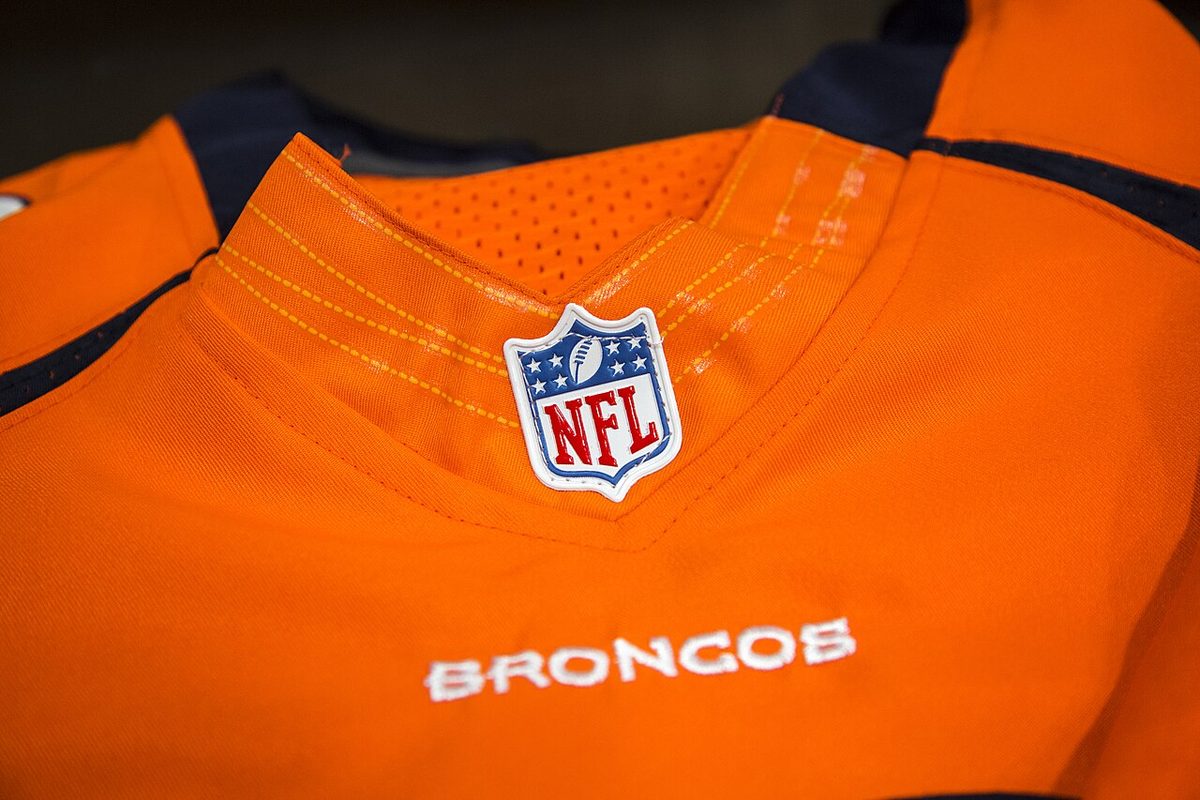
Sources: 17 U.S.C. 109, 18 U.S.C. 2320, 15 U.S.C. 2068 and 15 U.S.C. 45f; Ohio R.C. 2913.51; CPSC Publication 254, February 2025; FTC INFORM Consumers Act guidance; eBay policy pages checked November 6, 2026. Hero image: counterfeit jersey seized at the JFK International Mail Facility, photo by Josh Denmark, U.S. Customs and Border Protection, public domain via Wikimedia Commons.