Reselling Guides
How to Sell Shoes on eBay: Sizing, Photos, and Shipping That Keep Returns Low
How to sell shoes on eBay: the size fields eBay enforces, the photos buyers ask for, when a pair gets authenticated, and how to pack a box that survives.
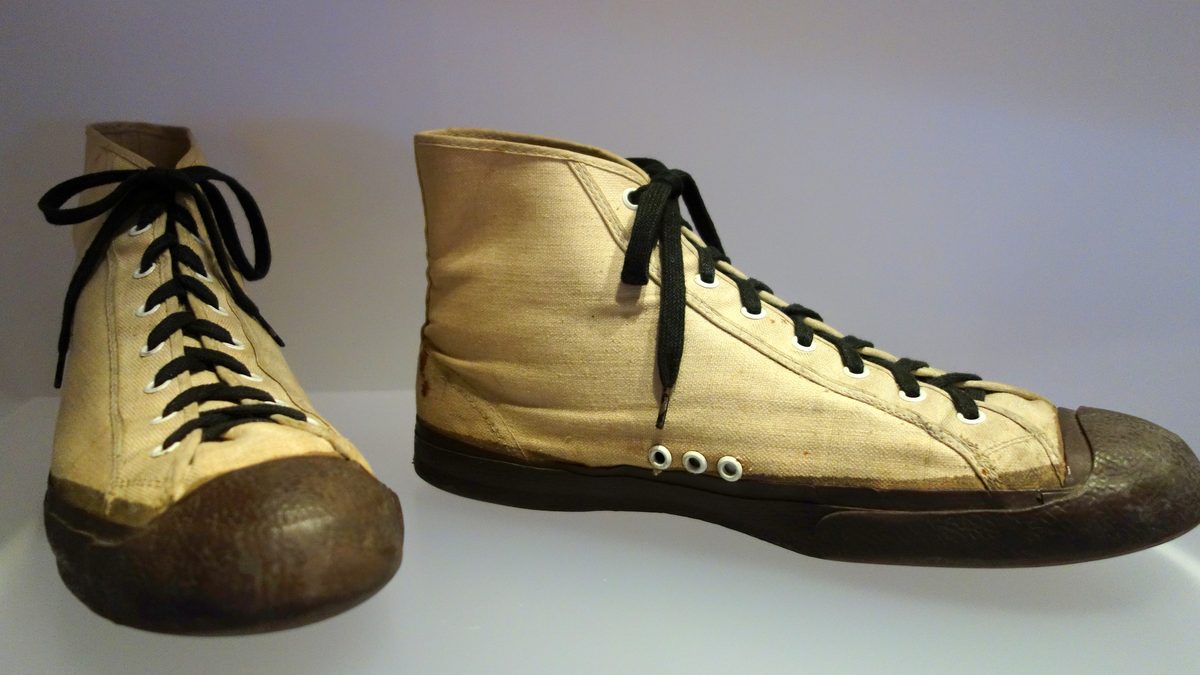
Shoes punish a sloppy listing harder than any other category. A shirt that runs a little big gets kept anyway. A size 10 that fits like a 9.5 comes straight back, and now you have paid postage twice on an item you still own. That return rate is why sellers quit shoes early, and almost all of it traces back to three things skipped at listing time: the size fields, the photos, and the box.
eBay enforces shoe size as a real field now
Shoe size is not a detail you can bury in the description. Footwear falls under the same size standardization eBay has been rolling out across apparel, and eBay's developer notice spells out what that means: the listing needs a supported size value, freeform text like "see description" is rejected, and two sizes cannot share one field. Listings with missing or unclear size details can be hidden from search until someone fixes them.
Fill these before anything else:
| Field | What to put | Why buyers care |
|---|---|---|
| US Shoe Size | The exact number off the tag, including the half size | It is the first filter every shoe buyer clicks |
| Size Type | Regular, Wide, or Narrow as marked | A wide-foot buyer filters to it and never sees you otherwise |
| Department | Men's, Women's, Unisex, Youth | A men's 9 and a women's 9 are different shoes |
| Brand | Exactly as printed, no abbreviations | Second most-used filter after size |
| Style | Sneaker, boot, loafer, cleat, sandal | Sorts you into the right results page |
| Color | The dominant color, not the brand's marketing name | Buyers filter on plain colors |
Department is the field that quietly kills listings. Women's sizing runs off men's by roughly a size and a half, so a pair filed in the wrong department lands in front of the wrong feet and comes back as a return that was never the buyer's fault.
When the tag is gone, check the insole and inside the tongue. If the size is still not there, pass rather than guess. A guessed size is a return with extra steps.
The four photos that stop the questions
Every shoe listing needs the same four, and most sellers shoot two.
- The outer side of both shoes, laces toward the camera. The hero shot, and the one that earns the click.
- The soles. Buyers read tread wear the way a mechanic reads tires. Worn soles do not stop a sale. Hidden soles do.
- The size stamp. Shoot the actual marking on the insole, tongue, or tag. This one photo ends most incoming messages and gives you proof if a buyer later claims the size was wrong.
- Every flaw, shot close. Toe box creasing, heel drag, a scuff, a stain, a loose sole. Photograph it and name it in the description.
That last one feels like it costs sales. It does the opposite. A buyer who sees the scuff before buying does not open a not-as-described case after it arrives, and not-as-described is the expensive kind of return. Shoot the flaw, price for the flaw, and it sells to somebody who already made peace with it.
The rules from our product photo guide all apply, with one addition: never shoot shoes on carpet. It reads as dirty even when they are clean.
Sneakers over about $75 go through eBay's authenticator
A brand-name sneaker may route through eBay's Authenticity Guarantee before it reaches the buyer, and that is worth knowing before you list. Per eBay's seller page for the service, eBay authenticates select new and pre-owned sneakers "starting at $75," it is free for sellers, and eBay sends a free FedEx label to get the pair to its authentication facility. From there eBay forwards it to the buyer at no extra cost to you.
That is not one flat number across the category. Value Added Resource has documented that eBay moved to dynamic minimums that vary by brand and model, so the figure you see belongs to that specific shoe and shows up in the listing form. Check the form for the pair in your hands instead of assuming a number.
Two consequences. Delivery takes a leg longer, so say so in the description and nobody panics on day four. And authentication is a real trust signal on a used pair, which is why brand-name sneakers in that range can hold a stronger price than the same shoe sold elsewhere.
Pack it so the box is not the problem
Shoes are light for their size, which fools people into under-packing them. Two rules cover nearly every pair.
The original shoe box is an inner container, not an outer one. Retail shoe boxes are thin cardboard with glossy printing. Sorting equipment crushes them and labels do not stick well. Put the shoe box inside a plain, sturdy outer box and fill the gaps. USPS also sells a Priority Mail Shoe Box built to take a boxed pair, free to order if you ship that service.
Stuff the shoes themselves. Paper inside each shoe holds the shape through the trip, so the toe box does not arrive collapsed.
With no original box, a plain box still beats a poly mailer for anything with structure. Mailers suit flat sandals and soft slippers, not boots and sneakers that arrive folded. On service, run the same comparison as any other package: our breakdown of Ground Advantage versus Priority Mail covers where the line falls. Weigh the packed box before you price the listing, not after. A pair of boots weighs more than new sellers expect, and the postage comes out of your margin either way.
Why low returns are the whole game here
The sellers who stay in shoes do not have better inventory. Their returns stay low, and one return takes the sale, the outbound postage, and the return postage in a single hit.
Low returns come from boring work. The size field matches the stamp on the insole. The photos show the soles and the flaws. The box arrives intact. Do those three and shoes flip from the risky category into one of the better ones, because the whole category is priced as though everybody's returns are high and yours are not.
Everything above is the listing half of a longer system. The sourcing rules and the pricing method that feed it are what members work through step by step in The Income Lab.