Reselling Guides
How to Sell Items as a Lot on eBay: When a Bundle Beats Listing One by One
How to sell items as a lot on eBay, when a bundle clears dead inventory faster than single listings, how to price the lot, and how to build the listing.
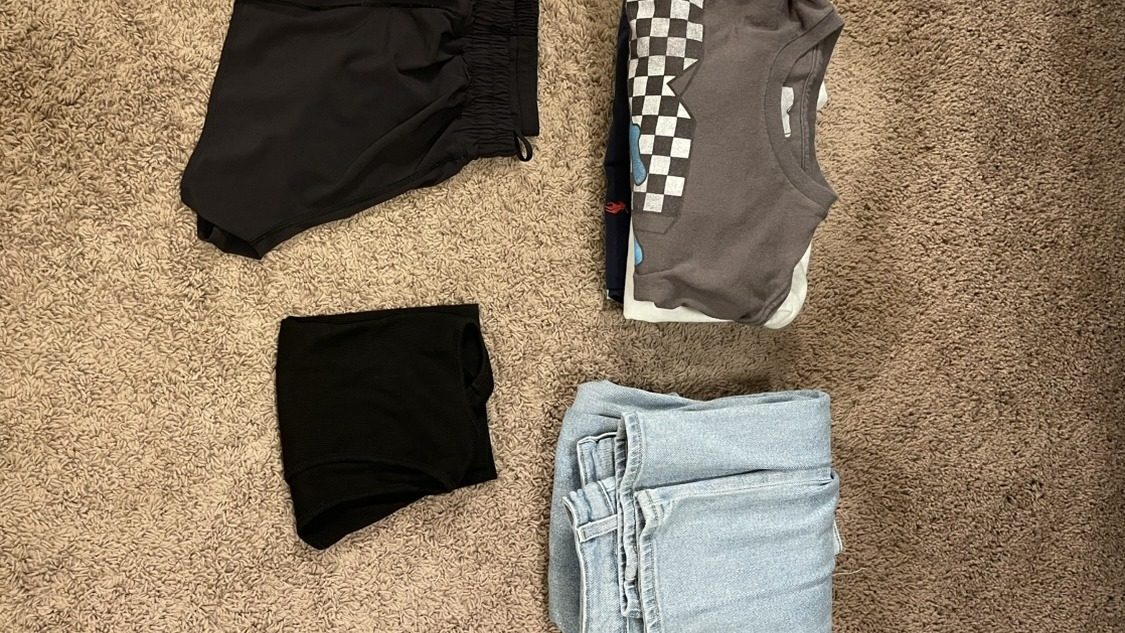
Every reselling space has a pile nobody wants to touch. Twelve plain tees with no brand anybody searches. A bag of phone cases. Four pairs of kids jeans that were free in a bundle you bought for one good jacket. Each one is worth maybe five dollars, and each one costs you the same twenty minutes to photograph, measure, write, and pack as the jacket that was worth eighty. So the pile sits there, and it keeps sitting there.
A lot listing is how that pile leaves the building. It is not a discount strategy and it is not admitting defeat. It is matching the effort to the money.
What eBay counts as a lot
Three things get confused with each other, and picking the wrong one wastes an afternoon.
| Listing type | What it is | Buyer gets |
|---|---|---|
| Multi-quantity | One fixed-price listing, several identical units | One unit per purchase |
| Variation | One listing, same product in different sizes or colors | The size or color they pick |
| Lot or bundle | One listing, several items sold together | All of it, in one purchase |
A lot is the third row. The buyer does not choose pieces out of it. They buy the whole group for one price, it ships in one box, and it counts as one sale.
One rule trips people up on the way in. eBay wants a single condition for the whole listing, so a lot with eight good shirts and one stained one is a used lot, and the stain goes in the description and in a photo. The condition of the worst piece sets the condition of the lot. Fight that and you are writing yourself an item not as described case.
The math that makes a lot worth doing
The percentage fee does not care how you sell. Final value fee runs around 13.25 percent of the total for most categories without a store subscription, and it comes off whether you sell eight items or one. What changes is everything that repeats per order.
eBay charges a per-order fee on top of the percentage, and its own help page puts it at 30 cents on orders of 10 dollars or less and 40 cents on orders over 10 dollars. Now count the rest of what repeats.
| Per sale | Eight separate listings | One lot listing |
|---|---|---|
| Orders | 8 | 1 |
| Per-order fees, at orders over $10 | $3.20 | $0.40 |
| Shipping labels bought | 8 | 1 |
| Boxes, mailers, tape | 8 | 1 |
| Trips to drop off | up to 8 | 1 |
| Listings to shoot and write | 8 | 1 |
Postage is the bigger one. Every separate package pays its own base rate before weight even enters the picture, so eight one-pound parcels cost far more in total than one six-pound box going to one address. That is why a lot can sell for less than the pieces would add up to and still put more in your pocket.
When a lot is the right call
Four tests. If you get two yeses, bundle it.
- The piece price is under about ten dollars. Below that the fees and the label eat most of it, and your time eats the rest.
- The items are genuinely related. Same brand, same size, same team, same category. Lots sell on a theme, not on a pile.
- They have been sitting. If something has run ninety days with no offers and no watchers, more time will not fix it.
- They ship together cleanly. Soft goods are ideal. Twelve shirts go in one box. Twelve coffee mugs do not.
When a lot is the wrong call
The mistake that costs real money is burying a good item in a bad group. If one piece in the pile would sell for forty dollars on its own, pull it out and list it on its own. A lot gets priced against the whole group, and the buyer is looking for a deal on the total. Your one strong piece does not get its value back, it just makes the lot easier to sell at a price you set too low.
Same goes for anything that needs its own search terms. A named brand, a size that people hunt for, anything with a model number. Those get found by people typing the exact thing. Inside a lot titled "Lot of 10 mens t-shirts," nobody is typing the thing.
Building the listing so it actually sells
The title carries it. Lead with the word Lot, the count, the category, the size, and the theme. "Lot of 10 Mens Graphic T-Shirts Size L Band Tees Used" tells a buyer everything they need before they click. Vague titles are why most lots die.
Photograph the group laid out so every item is visible and countable, then add close-ups of any flaw you called out. Buyers of lots are counting pieces in your photos. If they can count ten and you said ten, you have already cleared the biggest objection.
Two more details. Put the exact count in the item specifics as well as the title, and weigh the packed box before you price it rather than after. Lot shipping is the number that surprises new sellers, and the fix is knowing it before the listing goes live instead of at the post office.
Price it against real lots
Do not price a lot by adding up what each piece might have brought. That number is fiction, and it is why lots sit. Search sold listings for lots of the same thing at the same count, and price against what those actually closed at. A lot is a wholesale sale to a buyer who is either reselling it themselves or buying for a family, and both of them are shopping the per-piece price.
The takeaway
Lots are not for your good inventory. They are for the tail, the part of the pile that will never justify its own listing. Pull the one strong piece out, group the rest on a theme, title it so it is findable, and let one box carry what eight boxes never would have paid for.
Working out which items belong in a lot and which ones deserve their own listing is the same skill as knowing what to buy in the first place, and that is what we work through inside The Income Lab.
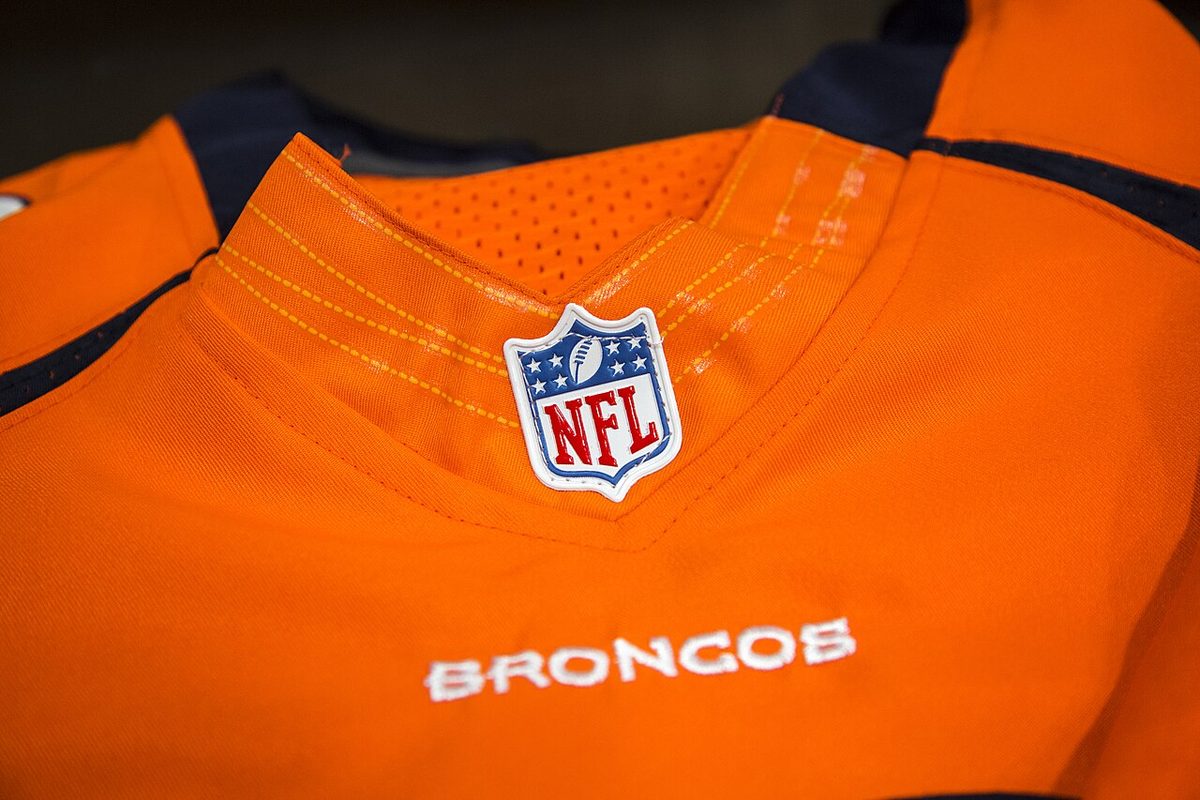
Hero photo by Ejdowning00 via Wikimedia Commons, cropped, used under CC BY-SA 4.0.