Flip Breakdowns
Selling Clothes With Company Logos on eBay: A $5 Columbia Pullover That Sold for $27.99
Selling clothes with company logos on eBay, worked from a real flip: a $5 Columbia golf pullover with a dairy company logo that sold for $27.99.
Fee estimated at 13.5 percent; eBay had not yet returned the exact figure.
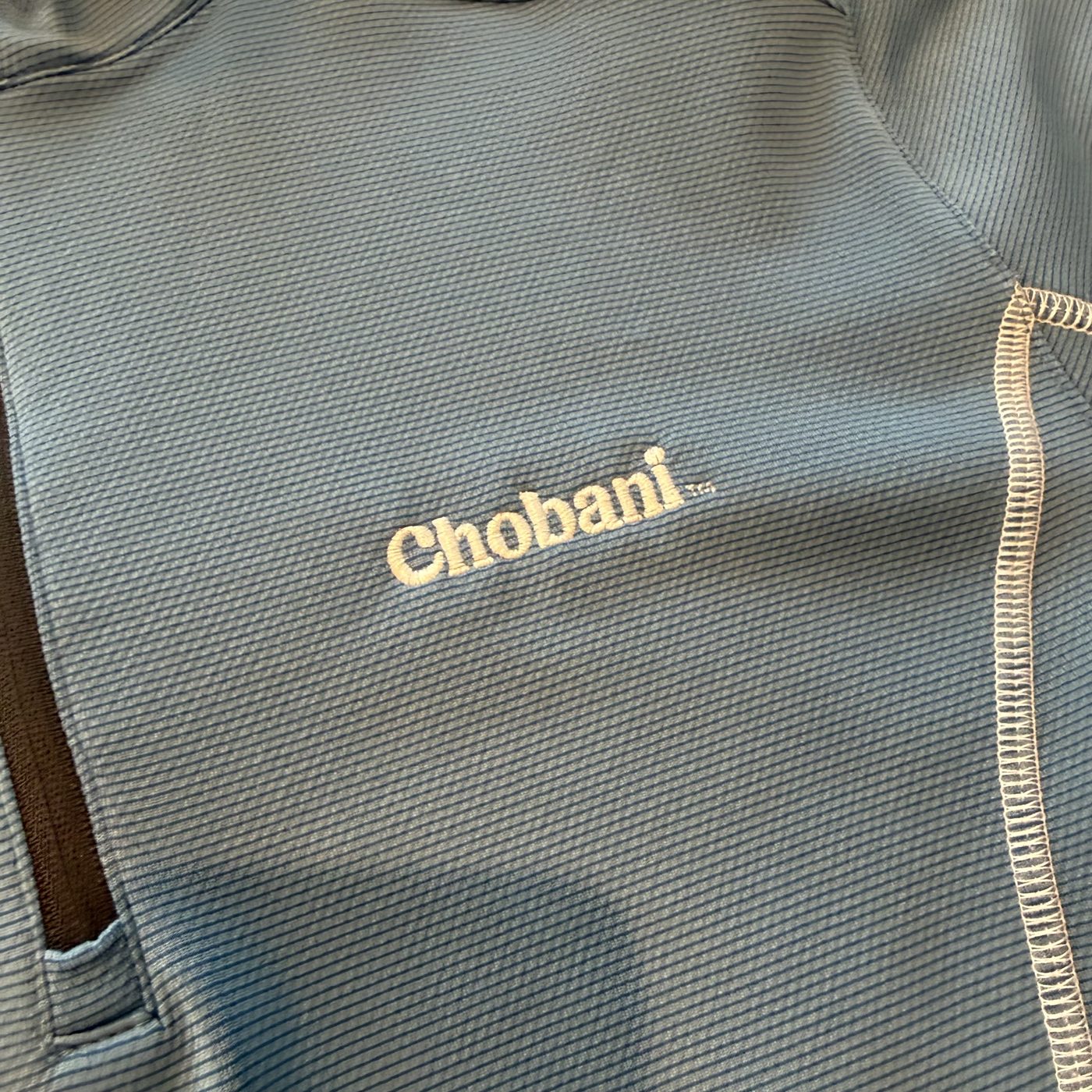
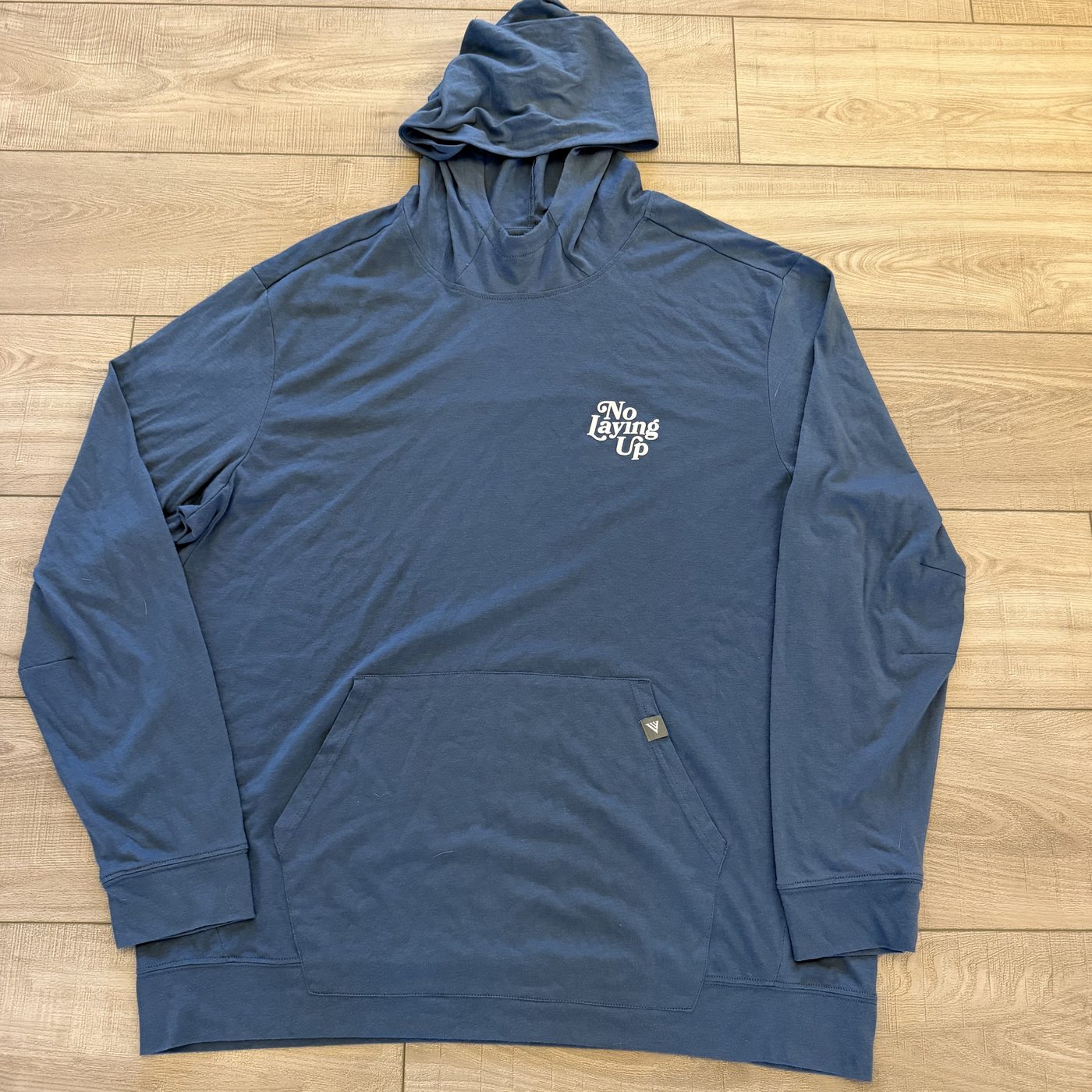
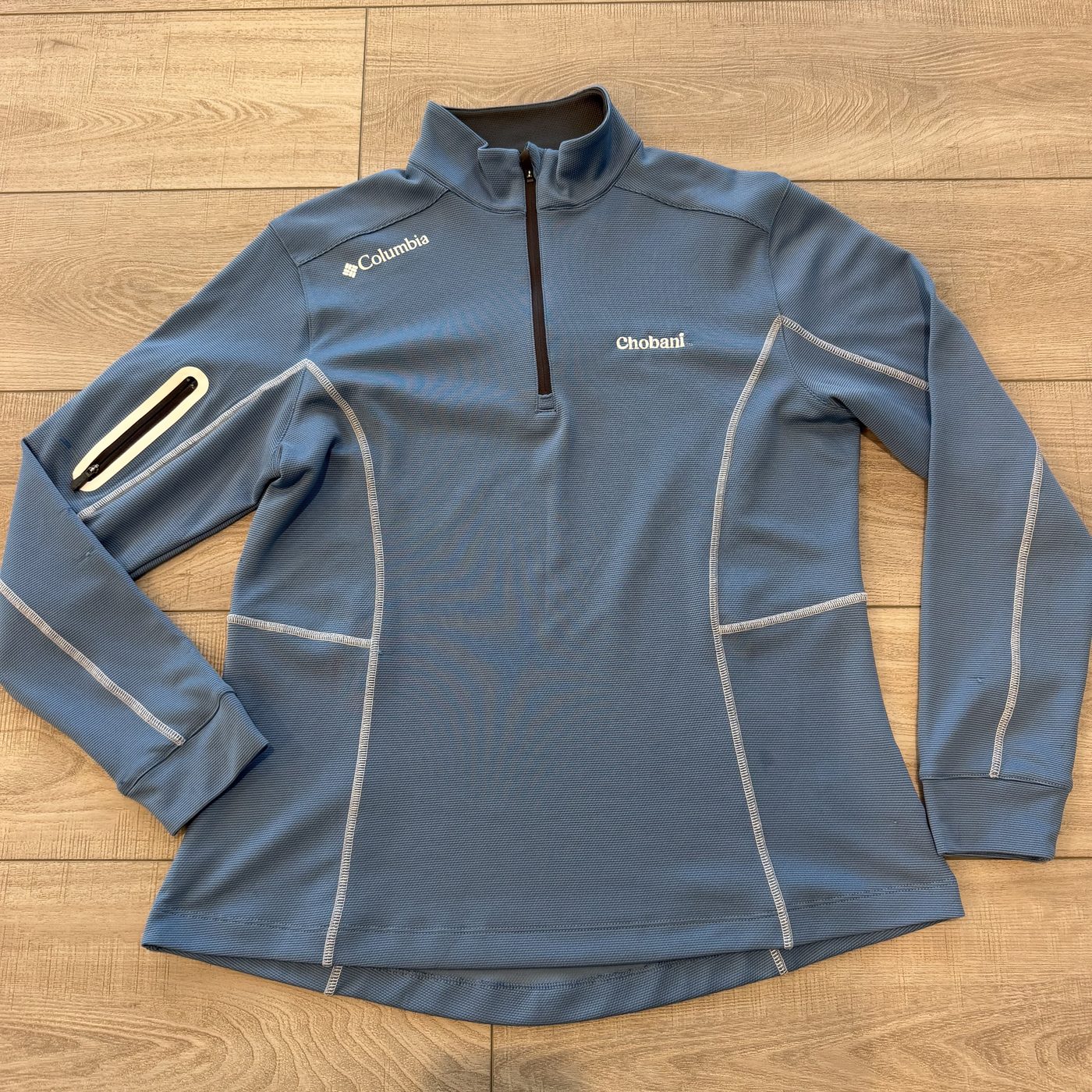
Walk the men's outerwear rack at any thrift store and a third of what hangs there is somebody else's work clothes. A bank logo on a fleece vest. A plumbing supply company on a windbreaker. An insurance agency on a polo. Most people flip past all of it on instinct, because who would pay to wear the branding of a company they have never worked for. That instinct costs money. The pullover in the photos above has a yogurt company's logo stitched on the chest, cost five dollars, and sold for $27.99.
What it was
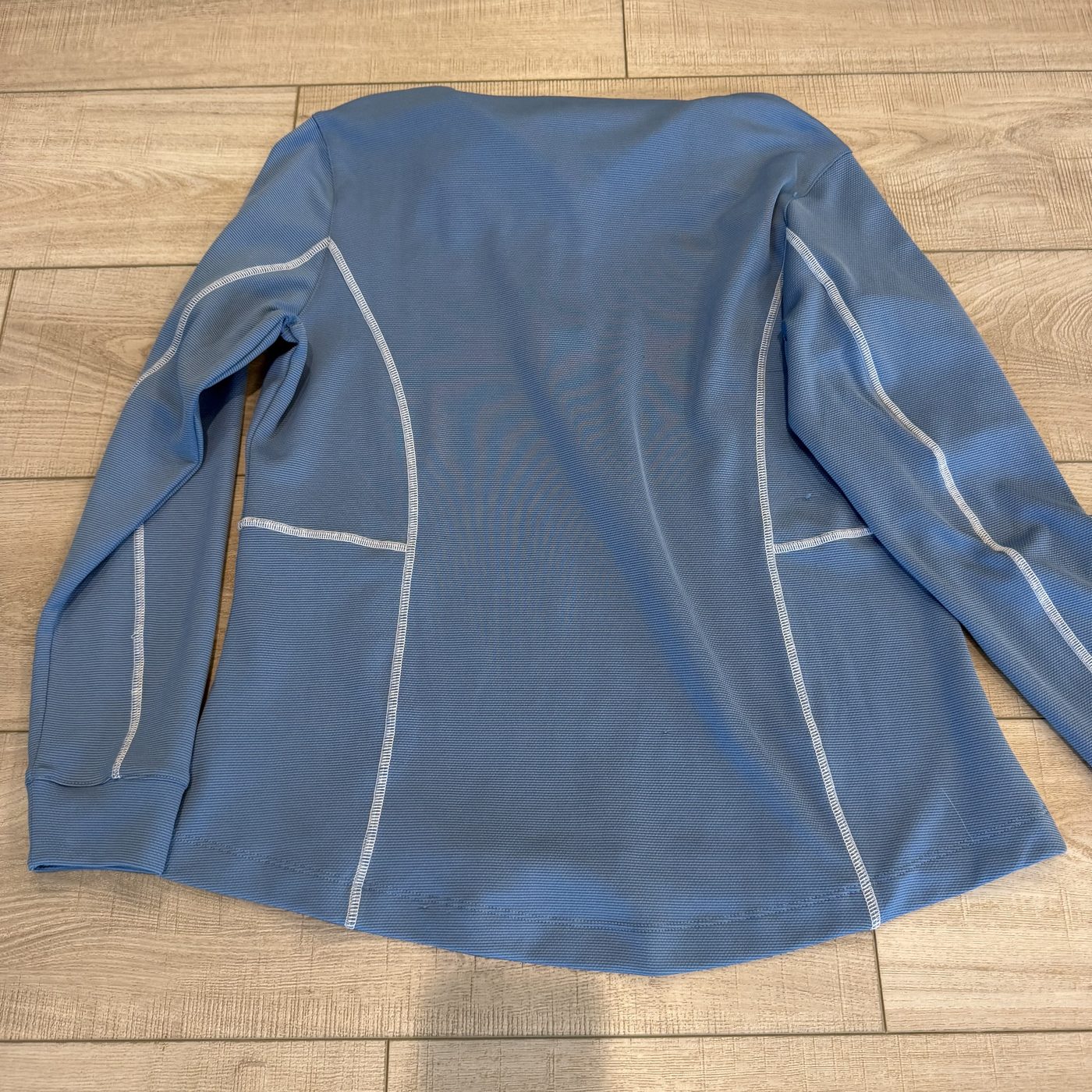
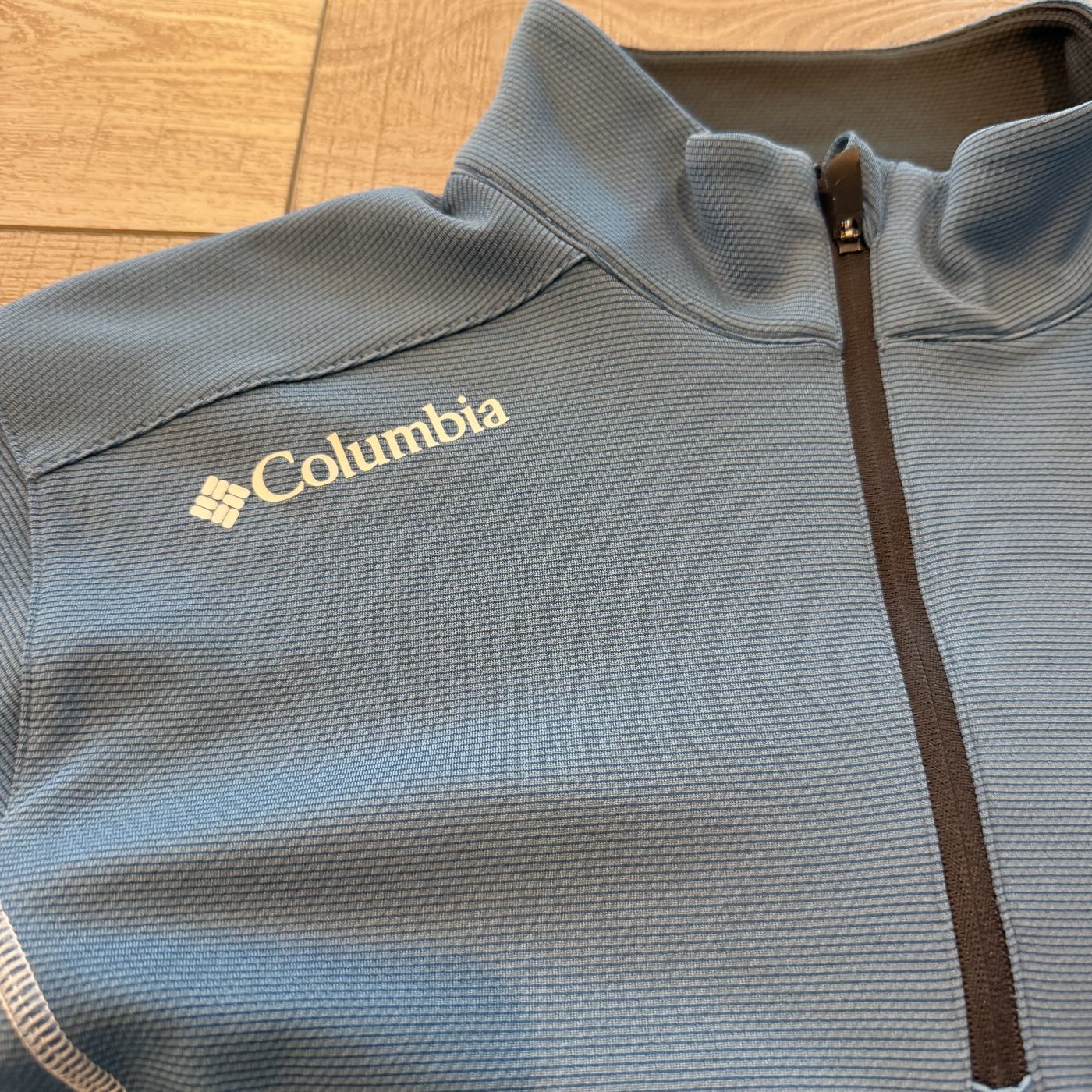
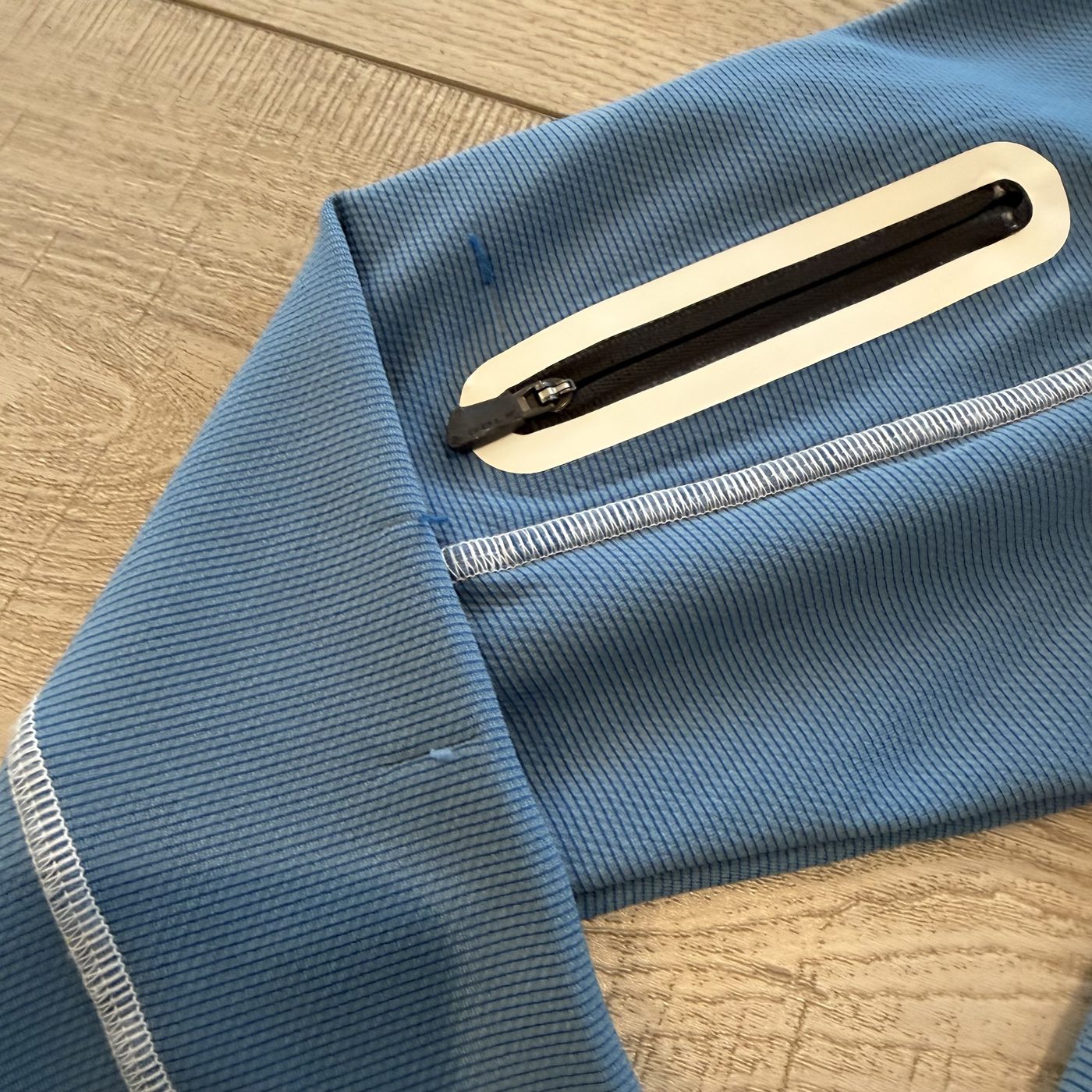
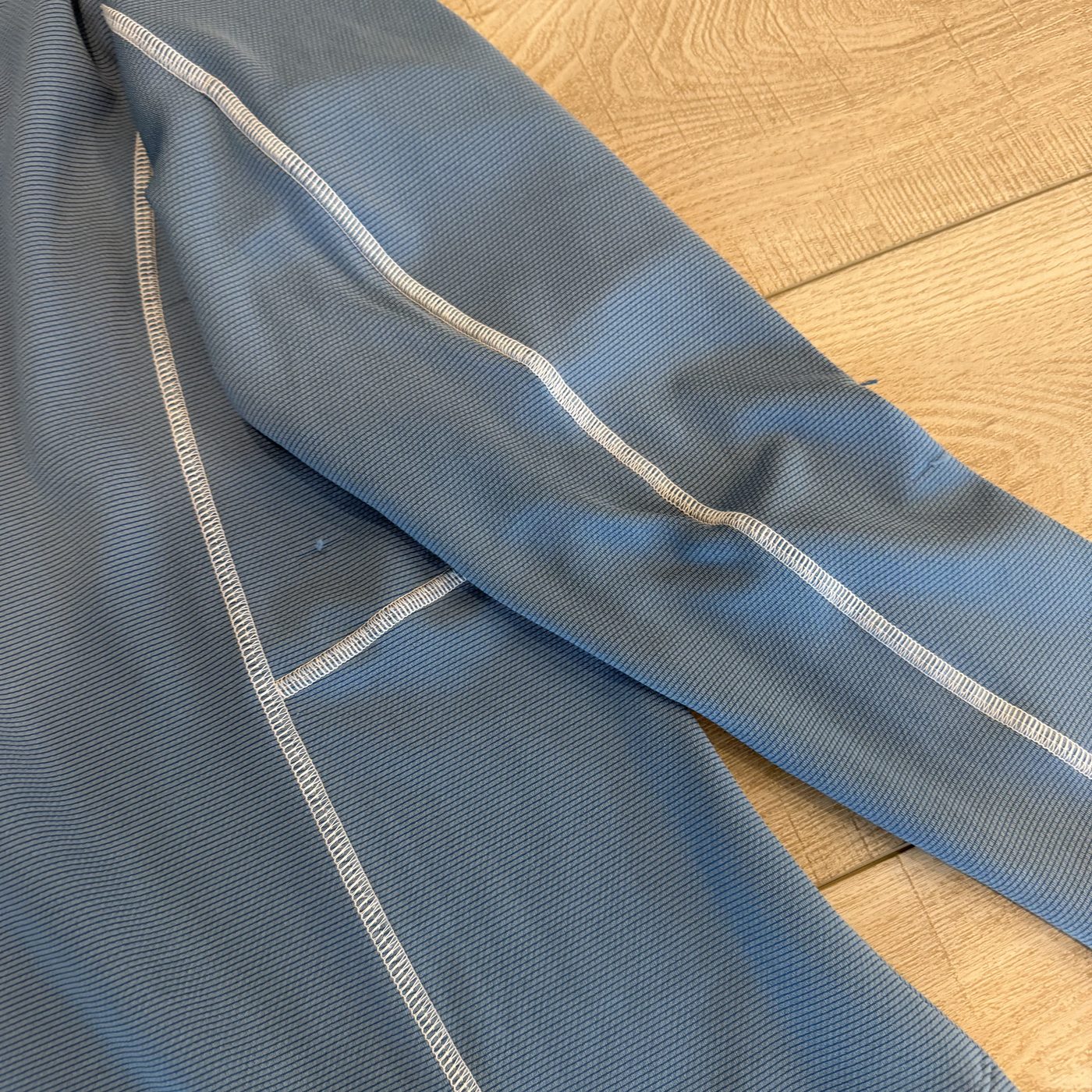
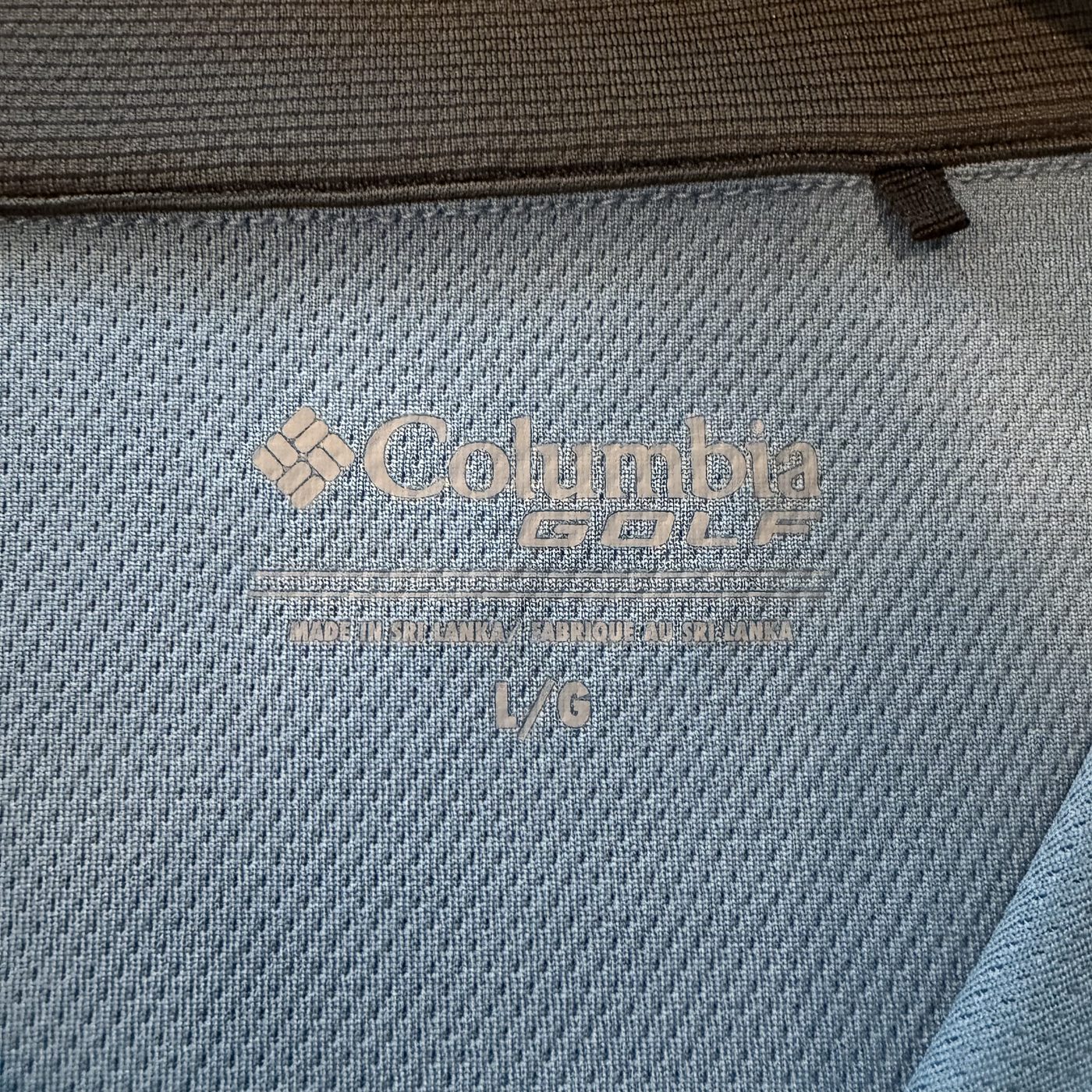
A Columbia Golf quarter zip pullover in men's Large, slate blue, 100 percent polyester. Columbia's own logo sits on the left chest and the Chobani corporate logo is embroidered on the right chest. There is a zippered pocket on the left sleeve, contrast flatlock stitching down the panels, and a mock neck with a quarter zip. Condition was used excellent, with light general wear and no rips, holes, or stains turned up on inspection.
So this is corporate swag. Chobani handed these out to employees or at some event, somebody wore it a few seasons, and it landed in a donation bin in Ohio.
Why the logo is not the thing buyers price
Here is the part that gets missed. The buyer is not shopping for a Chobani pullover. They are shopping for a Columbia quarter zip in a Large, and this one happens to have a small embroidered logo on it.
Two things make a company logo harmless instead of disqualifying:
- The host garment is a brand with its own demand. Columbia, Nike Golf, Cutter and Buck, Peter Millar, Patagonia, The North Face, Under Armour. The garment has a floor price because of who made it, and the logo rides along for free.
- The logo is small and embroidered, on the chest or sleeve. An embroidered left or right chest mark reads as understated. A giant screen print across the back of a shirt reads as a uniform, and that one is a pass.
Flip either of those and the item falls apart. A no-name blank with a huge printed company logo across the back is a five dollar buy you will never get back out. That is the actual dividing line, and it has nothing to do with whether the logo is a company or a team.
There is a second reason this category keeps producing. Corporate apparel is bought in bulk and worn lightly. Nobody does yard work in the pullover their employer gave them at the regional meeting. The pieces come in cleaner than the rest of the rack, which means fewer flaws to photograph and disclose.
The numbers
| Line | Amount |
|---|---|
| Source cost | $5.00 |
| Listed | $27.99 |
| Sold | $27.99 |
| eBay fee (estimated 13.5 percent) | $3.78 |
| Profit | $19.21 |
Three notes belong with that table.
That $5.00 is a bookkeeping convention rather than a receipt. Thrifted clothing never gets bought above five dollars in this operation, so five is the figure the ledger carries on every piece, this pullover included.
The eBay fee is estimated at 13.5 percent, because the order did not come back with an exact fee figure attached. The breakdown carries no separate shipping line, so the $19.21 is what was left after the buy cost and the estimated fee, with free shipping offered on the listing.
It also sold at the full asking price. Best Offer was turned on and nobody used it, which almost never happens on a piece like this.
The price came from thin comp data
Worth being straight about how $27.99 got picked, because it was not confident. The comp research at listing time found zero of these sold in the prior 90 days across two sources, with an average all-in sale price of $25.00 on adjacent listings and a range of $18 to $32. That is low-confidence data by any standard. The price was set at roughly 10 percent over that average, free shipping on, Best Offer on, and then left alone.
Thin comps are the normal condition for corporate apparel. There is no comp for a Chobani Columbia pullover, size Large, because one has probably never been listed. What you can comp is the garment: Columbia golf quarter zips in Large. Price the garment, let the logo be a footnote in the title.
It took 72 days
The listing went up on August 4 and sold on October 15. That is 72 days sitting there.
This matters more than the margin does. A 384 percent return on a five dollar buy looks fantastic in a table and tells you nothing about how fast your money comes back. Corporate logo pieces are slow movers. The buyer pool for a specific garment in a specific size is narrow, and you are waiting for exactly one person. If every item in your store behaved like this one, you would have good margins and no cash.
The answer is not to skip them. It is to know which bucket they live in. A stack of these at five dollars each is cheap inventory that can sit without hurting you, because there is almost nothing at risk per unit. You pair the slow pieces with items that turn in a week, and the store stays liquid while the pullovers wait for their buyer.
What to grab on the rack
Check the garment label first and the logo second. If the brand on the neck tag is one buyers search by name, and the company mark is small and stitched rather than printed across a panel, it is a buy at thrift prices. Put the garment brand, the size, and the real features in your title. Mention the company logo in the description so nobody is surprised, and keep it out of the headline where it does no searching work.
Then price the garment, photograph the logo straight on so there is no question about what it is, and let it sit. The money on these is real. It is just patient.