Reselling News
Reselling News: Texas Moves to Stop Taxing Your Marketplace Fees, and eBay Hands Shipping to the Platform in Australia
Texas is moving to end the sales tax on marketplace seller fees, though you are still paying it, and eBay Australia goes fully managed shipping November 11.
There is a line on your fee invoice that almost nobody reads, and in one state it is about to change. The other story this week happened on the far side of the world, which is exactly why it is worth your time.
Texas starts unwinding the tax on your selling fees
Texas Comptroller Don Huffines signed an executive order on September 30 directing his office to amend Rule 3.330 and pull marketplace and platform fees out of the state's definition of taxable data processing services. Value Added Resource broke it down for sellers, and the tax side is covered by Avalara and by Holland and Knight, who have been tracking the rule since the rewrite.
Here is how a reseller ended up paying it. Texas has taxed data processing since 1987. A 2025 rewrite of Rule 3.330 took effect that April and was read to cover what an online marketplace does for a seller, and by that October the platforms were adding Texas sales tax on top of the commission they already took. If you sell from Texas on eBay, Amazon, Etsy or Poshmark, you have been paying a tax on the fee you paid to make a sale. Huffines called it a hidden double tax. The proposed language says plainly that fees charged to sellers for listing, offering or facilitating sales are not taxable data processing.
Now the part that matters more than the headline. Nothing has changed yet. The amendment is set to publish in the Texas Register on October 16 and the public comment period runs through November 15, with no adoption date and no effective date announced. Until that process finishes, the rule on the books is the old one, and the marketplaces have to keep collecting.
So do two things if Texas is your state. Open your last three fee invoices and find the tax line, because most sellers have never once looked at what that number adds up to over a quarter. Then leave it in your math until the rule is actually final. A repeal that is still in comment is not money in your pocket, and pricing as though it is will cost you on every item you list between now and whenever this lands. The comment window is also the rare moment when a one person operation gets the same inbox as a law firm.
eBay hands shipping to the platform in Australia on November 11
eBay Australia is moving its fee-free sellers into fully managed shipping in a phased rollout that starts November 11. The platform will calculate the shipping cost from the buyer's location and the package details, collect it from the buyer directly, and issue a prepaid Australia Post label once the item sells. Sellers without a Pro plan will have to use those labels on eligible domestic orders. It follows the Simple Delivery model eBay already runs in the UK.
Australia is not your market, and that is not the point. Watch the sequence. The UK went first, Germany followed, Australia is next, and back in September eBay told US sellers it intends to price their shipping too. Every version of this trades a bit of your control for a smoother checkout, and every version puts the number in front of the buyer in the platform's handwriting instead of yours.
The defense is unglamorous and it works. Know what it actually costs you to ship the package you ship most often, weighed and measured, not estimated. When a platform starts setting that price for you, the only way to tell whether you are being helped or quietly squeezed is to already know the real figure.
The takeaway
Both stories this week are about a number somebody else controls on your behalf. A state agency decides whether your fees get taxed, and a marketplace decides what your buyer pays to receive the box. You do not get a vote on most of it, which makes the parts you do control worth more, not less. Clean cost tracking, real shipping math, and listings that hold their margin when a line item moves. That is the boring machinery underneath a business that survives changes like these, and it is what we build piece by piece inside The Income Lab.
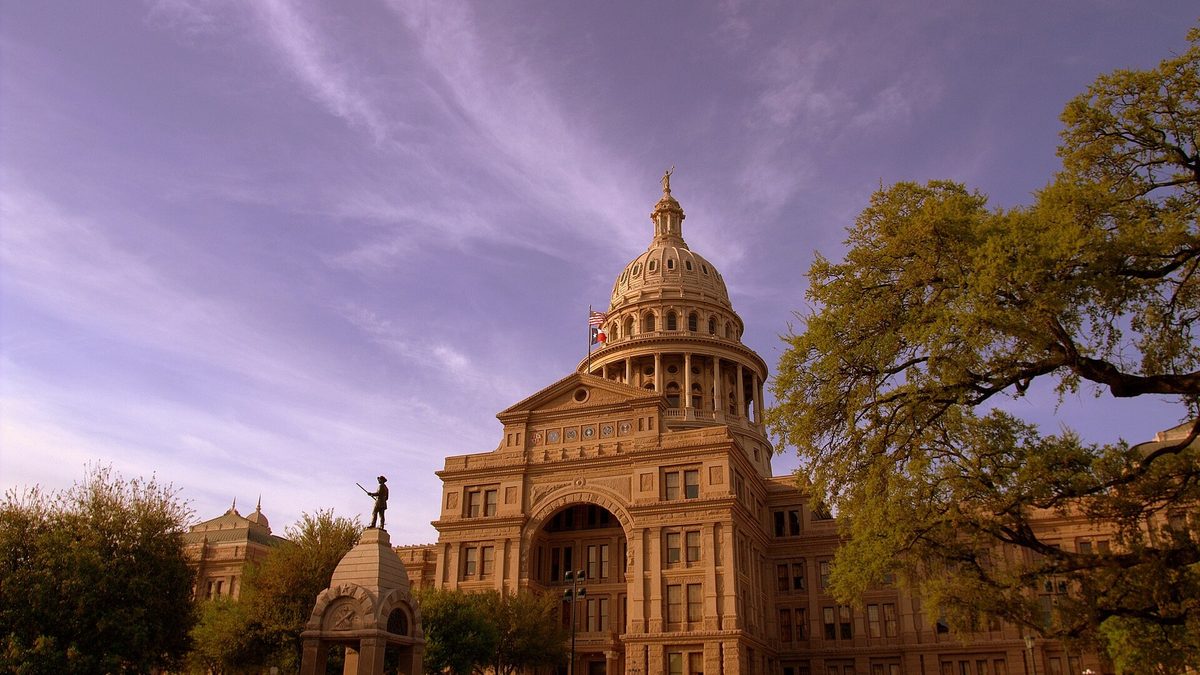
Hero image: the Texas State Capitol in Austin, photo by Stuart Seeger, CC BY 2.0 via Wikimedia Commons.