Flip Breakdowns
NFL Fan Hoodie Resale Value: A $5 Joe Burrow Hoodie That Sold for $26.50
NFL fan hoodie resale value from a real eBay flip. A $5 thrifted Joe Burrow hoodie listed at $34.95, sold for $26.50, and cleared $17.92 after fees.
Fee estimated at 13.5 percent; eBay had not yet returned the exact figure.
Most team apparel on a thrift rack is a logo on a blank. It is the same gray pullover every other shopper walked past, with a shield or a helmet screened on the chest, and the price it holds is whatever any other licensed blank holds.
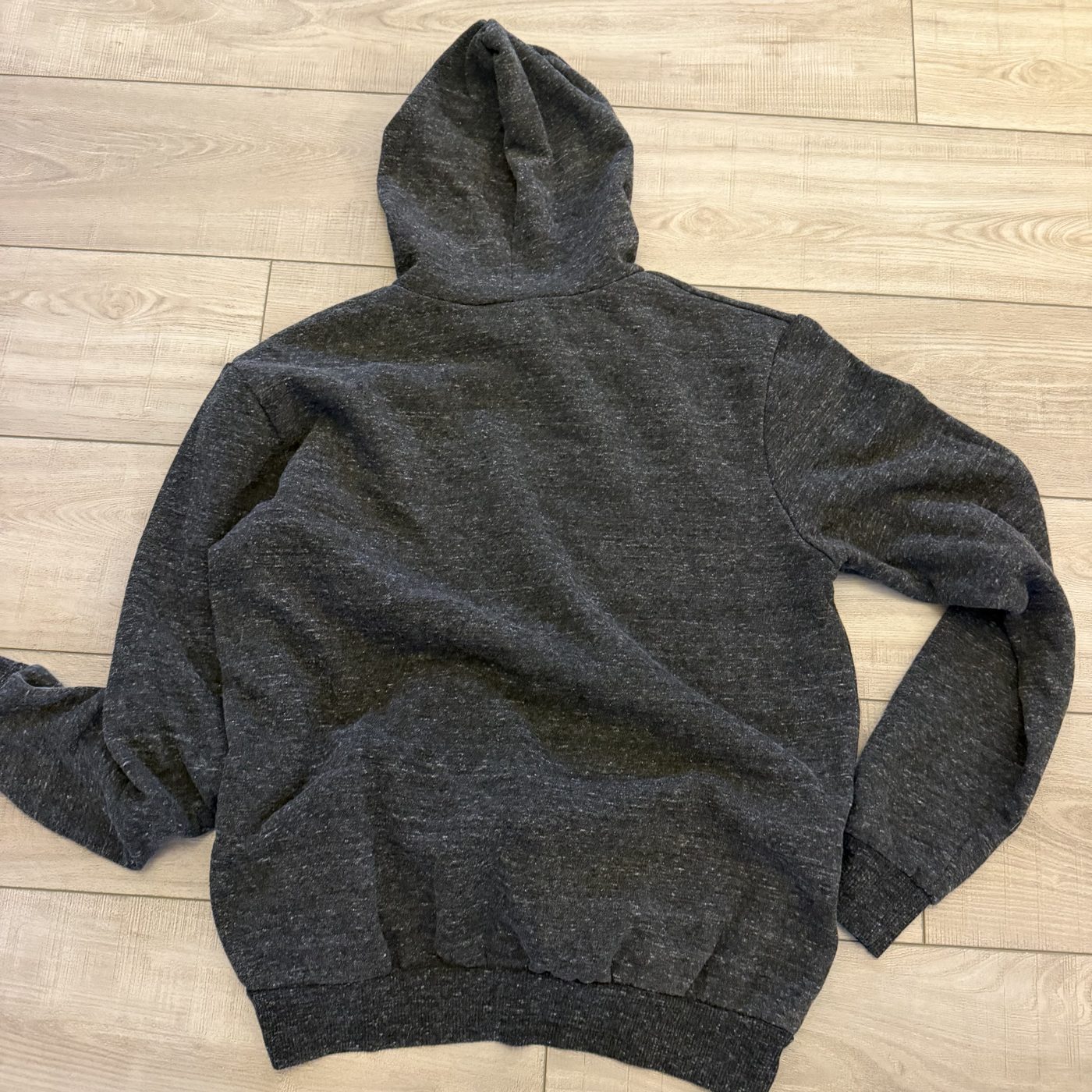
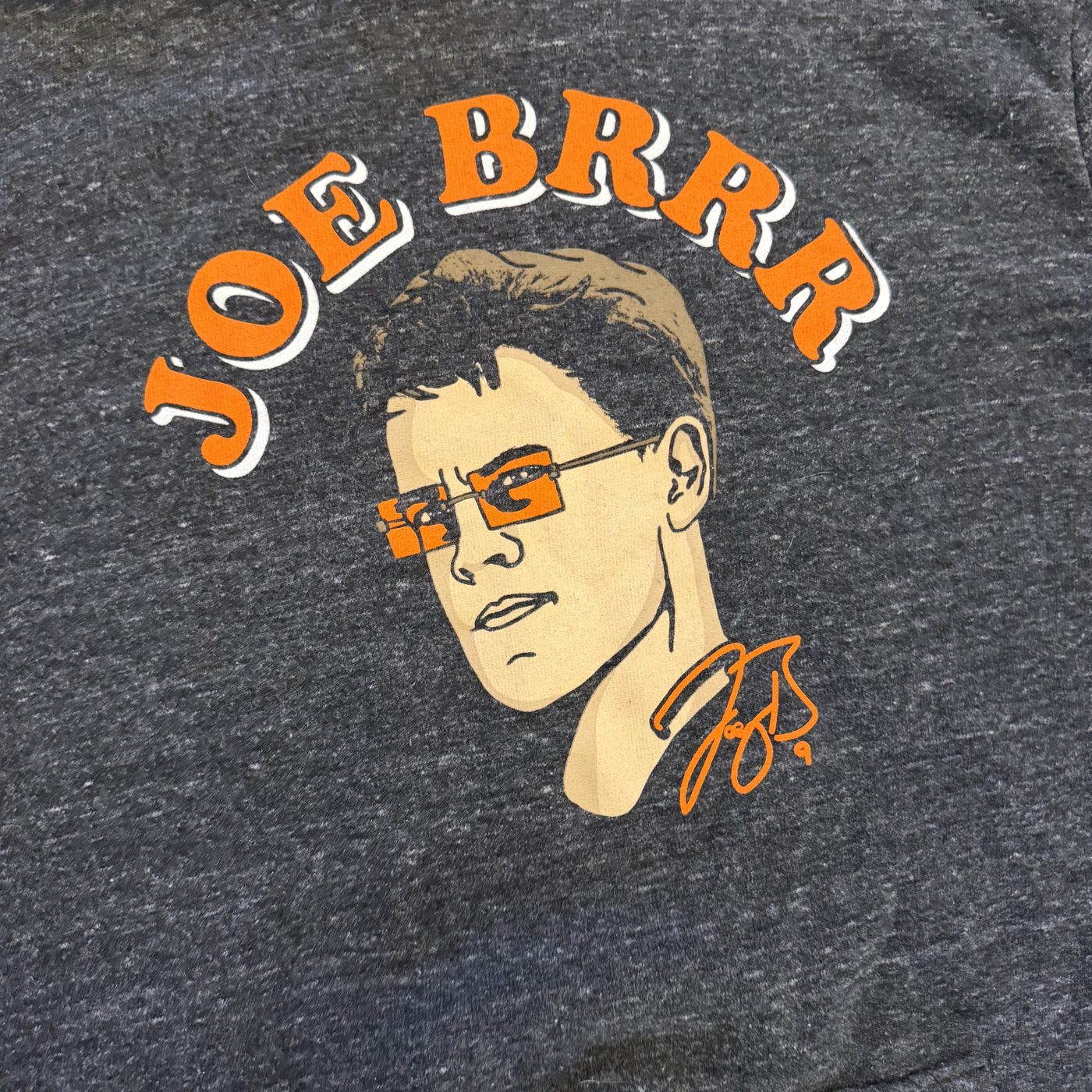
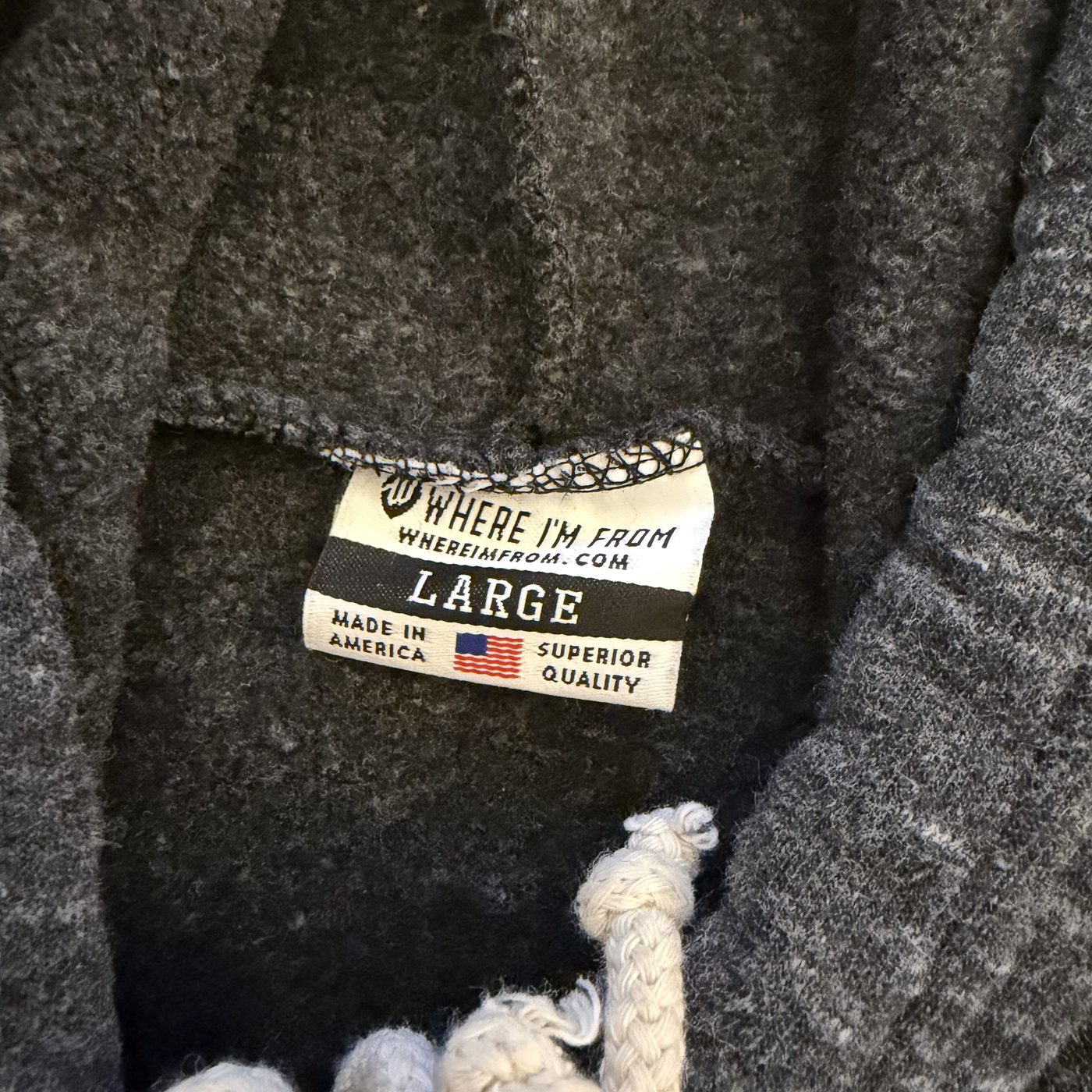
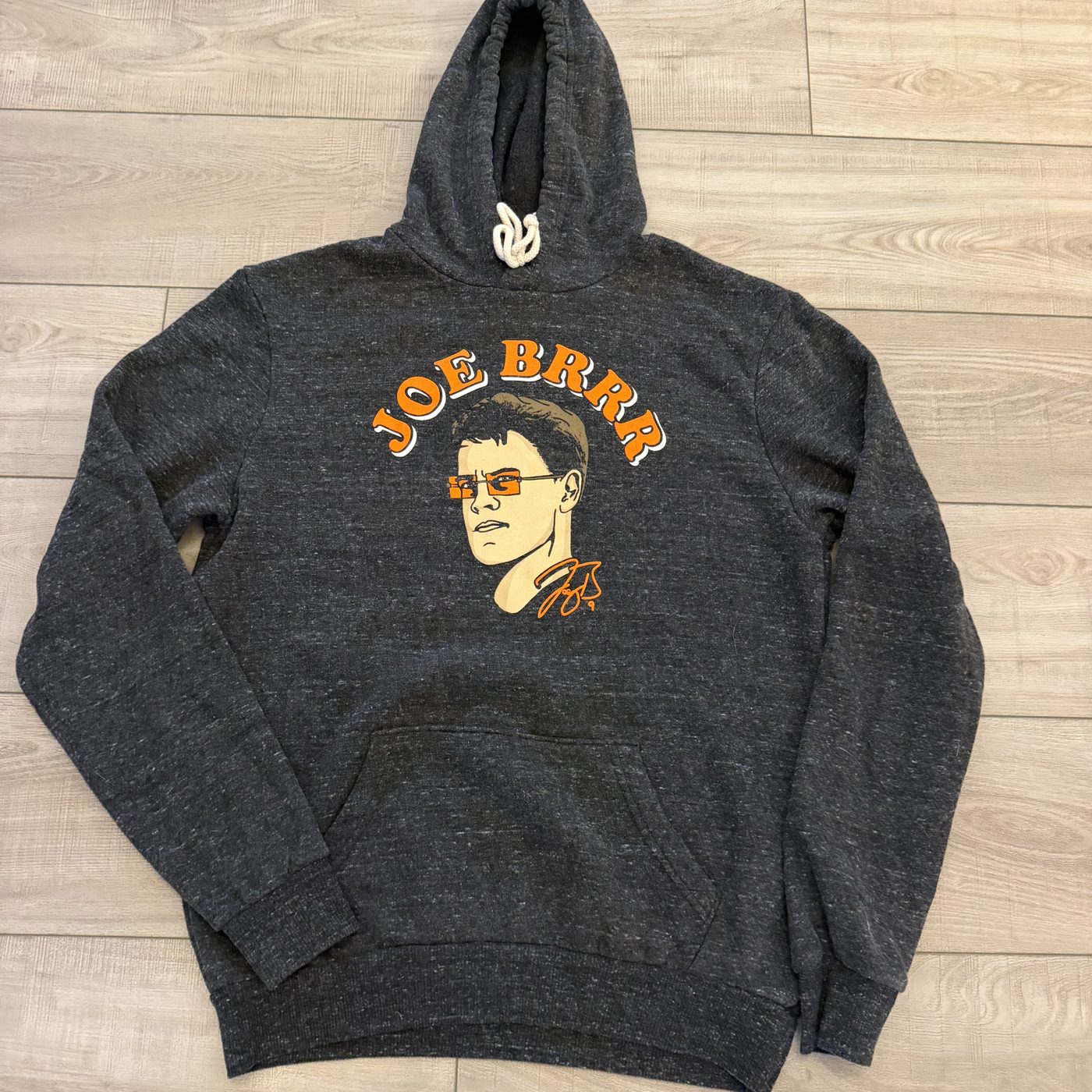
This one had no team logo on it anywhere. Speckled charcoal hoodie, size L, with an orange arch reading JOE BRRR over a caricature of the Bengals quarterback in orange sunglasses and a printed signature underneath. Five dollars at the rack. It sold on eBay ten days after listing for $26.50.
The reason it worked is the part most people skip, and the way it got priced is a mistake worth walking through carefully.
A nickname is a search term. A logo is not.
Nobody types "gray hoodie with a logo" into eBay. They type a name.
That is the whole difference between generic team apparel and player merch. A Bengals pullover competes with every Bengals pullover, which is thousands of listings sorted by price, and the only lever you have left is being the cheapest. A nickname graphic competes with the small number of people who happen to be holding that exact design, and the buyer searching for it already knows what they want.
Look at the garment in the photos. There is no team wordmark, no shield, no helmet. What it carries instead is a nickname, a face, and a signature, and all three of those are words a fan would actually put in a search box.
So when you are standing at the sweatshirt rack, the question is not whether the brand on the tag is good. It is whether the front of the shirt gives you something specific to type into a title.
This one got priced off active listings, not sold ones
Here is the honest part. The pricing pull on this hoodie never found sold data. It sampled live listings instead, and the file says so plainly: priced from active comps, not sold data.
| Active comp figure | Amount |
|---|---|
| Live listings sampled | 45 of 45 |
| Lowest active | $14.30 |
| Median active | $32.01 |
| Mean active | $34.06 |
| Highest active | $99.99 |
Forty five out of forty five means the sample was not a slice, it was the entire live pool for that search. That part is genuinely useful. Thin supply is a real signal, and a buyer who wants this design does not have forty pages to scroll through.
The medians are where it gets slippery.
An active median is a median of things that have not sold
A sold comp is a completed transaction. Somebody wanted it at that number and paid it. An active comp is an ask. It is a price a seller picked, which nobody has yet agreed to, and the listings sitting at the top of that range are sitting there precisely because the number is too high.
So an active median always runs hotter than a sold median on the same item. You are averaging hope, not receipts.
The spread here says the same thing louder. A pool that runs from $14.30 to $99.99 is not one product with one price. It is a search string catching several different garments, and the $99.99 end is almost certainly something other than a used pullover. A median out of that pool is a rough bearing, not a target.
The listing went up at $34.95 with free shipping and Best Offer enabled, a little above the active median. Ten days later it closed at $26.50.
That gap is the tuition. It landed $8.45 under the ask and $5.51 under the active median, which puts the real sale at roughly 83 percent of what the live listings were asking. If you only ever price off active comps, build that haircut into your expectations before you list, because you will pay it almost every time.
The numbers
| Line | Amount |
|---|---|
| Bought | $5.00 |
| Listed at | $34.95 |
| Sold on eBay | $26.50 |
| eBay fee, estimated at 13.5 percent | $3.58 |
| Profit | $17.92 |
The buy cost and the sale price are the hard figures. eBay had not reported a final value fee against this order yet, so the fee row carries the standard 13.5 percent rather than a confirmed amount, and profit is what remains after it. No postage figure came back on the order either, so there is no shipping line to show.
A hoodie is heavier than a tee and still folds into a poly mailer. Nothing on it can crack in transit as long as the graphic is sound when it leaves.
What to pull off the sweatshirt rack
Flip the shirt around and read the front like a search query. If the only words on it are a city and a team, you are entering a price war. If it has a player name, a nickname, a year, a slogan, or a caricature, you have something a person can look for by name.
Then check the graphic the way a buyer will. Press the print flat and look for cracking across the fold lines, since a nickname design with a broken face is worth very little. Confirm the drawstring is complete, because a missing one turns a used excellent into a used fair. Check the cuffs and hem for stretch.
And when the only comps you can find are live listings, write the number down as a ceiling rather than a price. Ask near it if you want, but plan on finishing below it.
Five dollars, ten days, and $17.92 left over. The logo was not what made that work. The nickname was.