Flip Breakdowns
Harley-Davidson Jewelry Resale Value: A $33 Sterling Silver Necklace That Sold for $42
Harley-Davidson jewelry resale value from a real eBay flip. A $33.01 sterling silver winged pendant sold for $42 and cleared $3.32 after the fee.
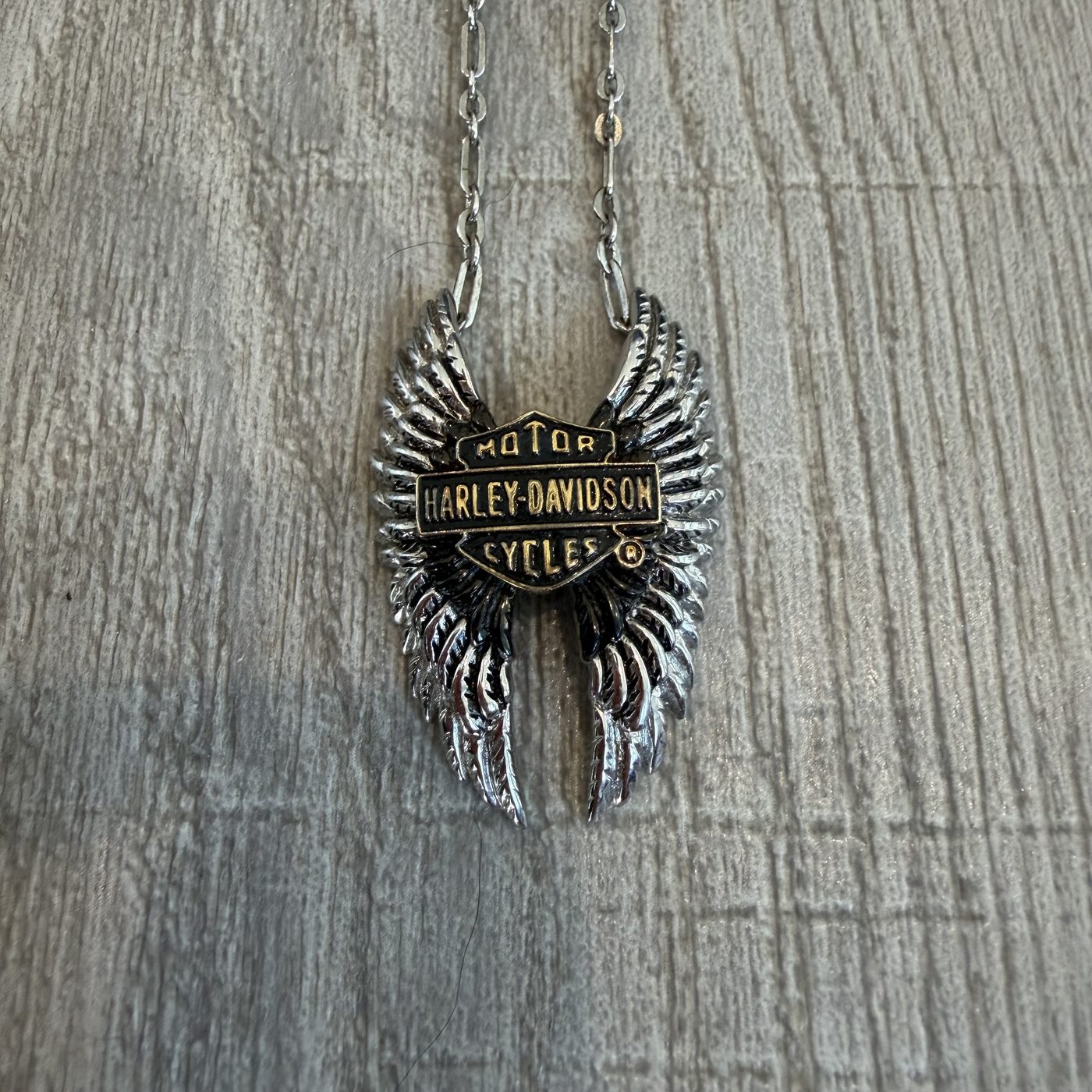
Fee estimated at 13.5 percent; eBay had not yet returned the exact figure.
Most of the flips on this site start at five dollars, because that is what a shirt costs on a thrift rack. At five dollars a buy almost cannot go wrong. You can misjudge the brand, misjudge the size, misjudge the season, and still walk away even. Sourcing from an online liquidation auction removes that cushion, because you are bidding against other resellers who ran the same numbers you did, and the winning bid is by definition the highest one anybody was willing to pay.
Here is what that looks like when the item sells and the flip still barely works.
What the pendant actually was
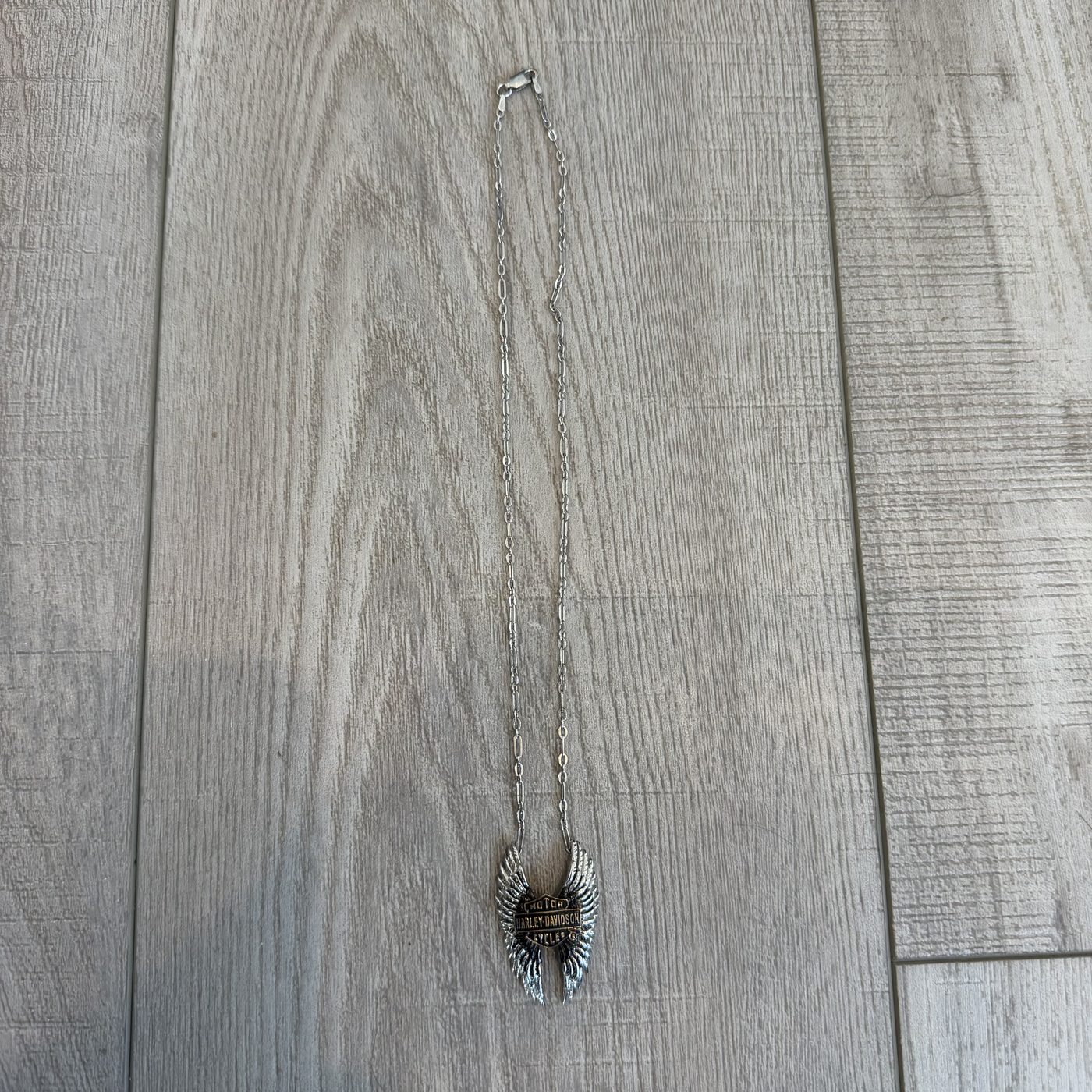
A Harley-Davidson winged Bar and Shield pendant on a sterling silver paperclip-style link chain, roughly 24 to 26 inches. The wings are silver with heavy feather detail, and the Bar and Shield plate in the middle is gold-toned against a darkened background, so the logo reads from across a room.
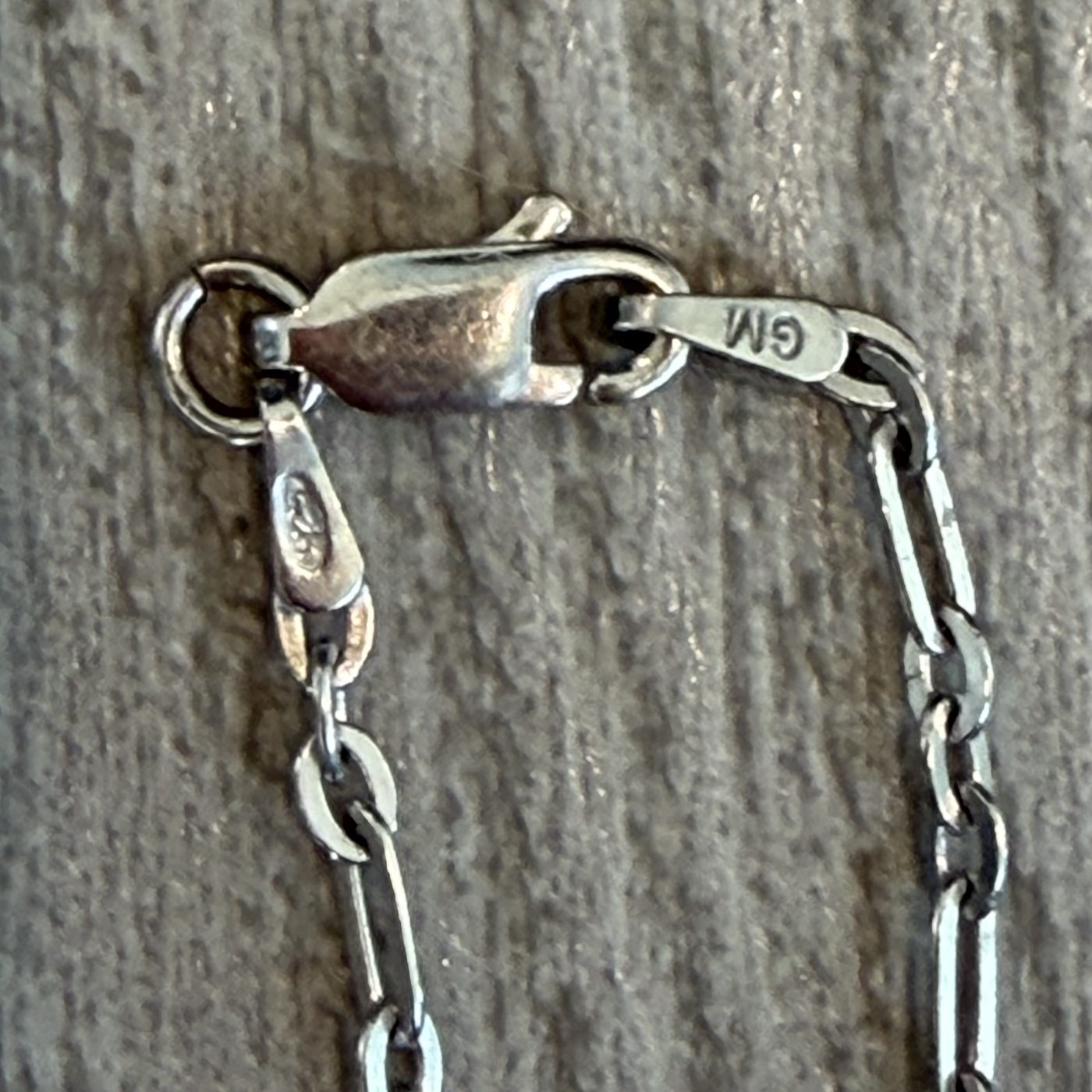
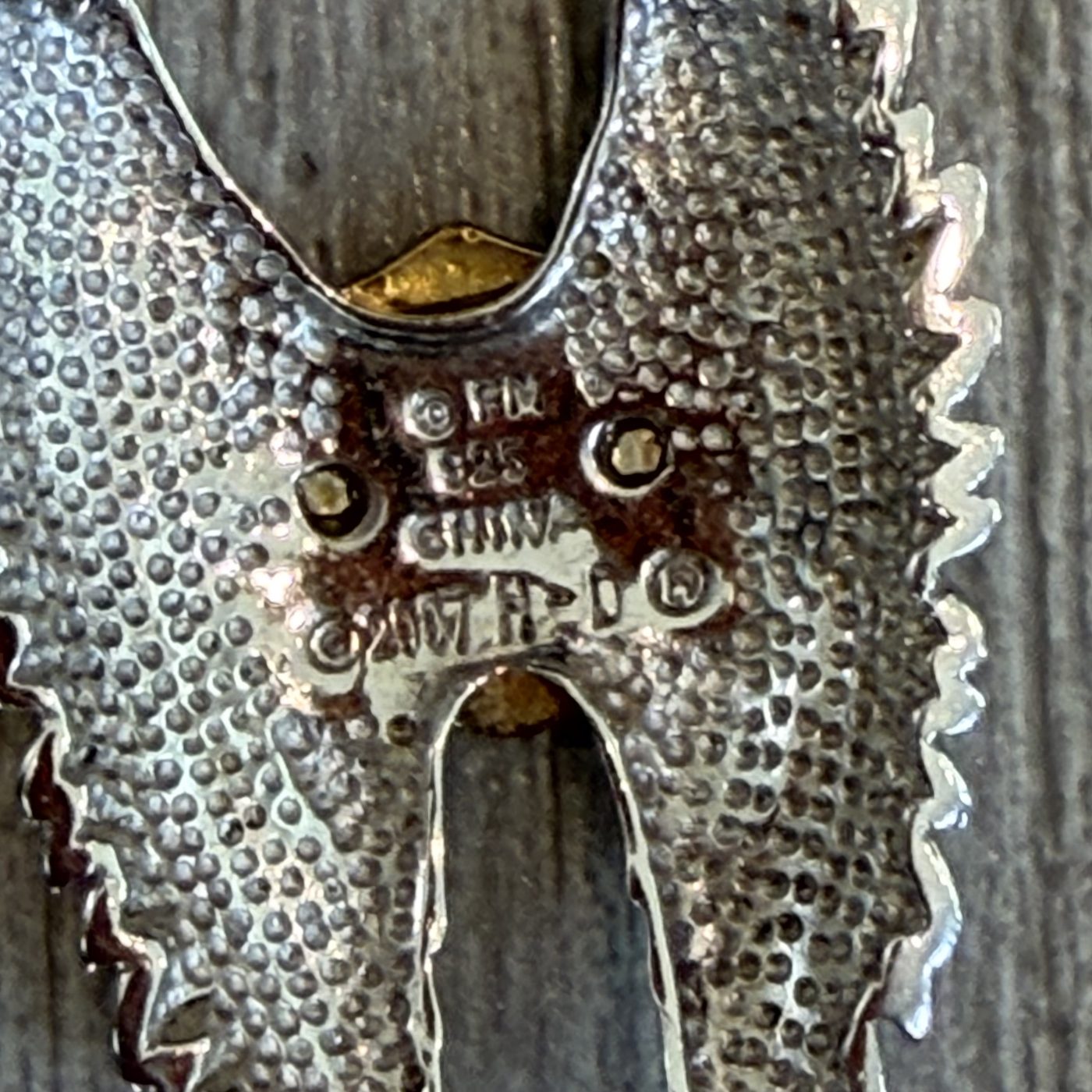
Two details did the authentication work. The back of the pendant is stamped FM 925 China along with a maker hallmark, which confirms sterling rather than silver-plated base metal. The lobster clasp carries its own GM stamp, visible in the third photo above. Those stamps are the difference between listing this as sterling silver jewelry and listing it as a costume pendant, and buyers searching for 925 filter on exactly that.
Condition was good used. Light wear consistent with age, no box, no papers.
The number that decided this flip
The buy cost was $33.01, won on a ShopGoodwill auction on October 24. That figure is the entire story of this post. Not the brand, not the sterling stamp, not the photos. On a $42 sale, a $33.01 buy cost is 79 percent of the money the item brought in, which leaves the fee and the profit fighting over the last 21 percent.
Compare that to the thrift-rack flips in the archive here. A $5 buy on a $42 sale leaves room for the platform cut, a slow month, a price drop, and a mistake. A $33 buy leaves room for none of them.
The numbers
| Line | Amount |
|---|---|
| Source cost (ShopGoodwill auction) | $33.01 |
| Listed | $69.95 |
| Sold | $42.00 |
| eBay fee (estimated 13.5 percent) | $5.67 |
| Profit | $3.32 |
The eBay fee here is the standard 13.5 percent estimate, because the platform had not returned the exact figure for this order when these numbers were pulled. Shipping is not in the table either, so the real take-home on this one is lower than $3.32 once a padded envelope and a label come out of it. A small item ships cheap, but it does not ship free.
Where the price went wrong
The listing went up the same day the item arrived, priced at $69.95. That price came from active listings, not completed ones. Similar used Harley-Davidson sterling pendants were being asked at roughly $60 to $119 at the time, so $69.95 looked like the conservative end of the range.
Active listings are asks. They are the prices sellers hope to get, including the ones that have been sitting unsold for eight months. Sold listings are the only record of a price a buyer actually agreed to pay. Pricing off the ask side of the market sets a number nobody has agreed to yet, and the market corrects you on the way down. This one got corrected from $69.95 to $42.
That is worth sitting with, because the gap between those two numbers, about $28, is almost nine times the profit the flip produced.
What the five days tell you
It listed on October 24 and sold on October 29. Five days on a branded sterling piece is quick, and that speed is the one genuinely good signal in this flip. Demand for Harley-Davidson jewelry is real, the logo does the searching for buyers, and the 925 stamp keeps you out of the costume-jewelry pile where prices collapse.
So the category is fine. The sourcing price was not. Had the same pendant come in at $12 instead of $33.01, the identical sale at $42 clears about $24 after the fee, and this is a post about a good flip rather than a thin one.
The takeaway
When you source from auctions instead of racks, your bid is the only lever you fully control, and you have to set it from sold prices rather than asking prices. Work backward: find the real completed price, subtract the platform cut, subtract shipping, decide what profit makes the work worth doing, and whatever is left is your maximum bid. Then stop bidding there, even when the screen is counting down and somebody else is still clicking.
A $3.32 flip is not a disaster. It moved, it did not come back, and it taught something that a $5 win never would.