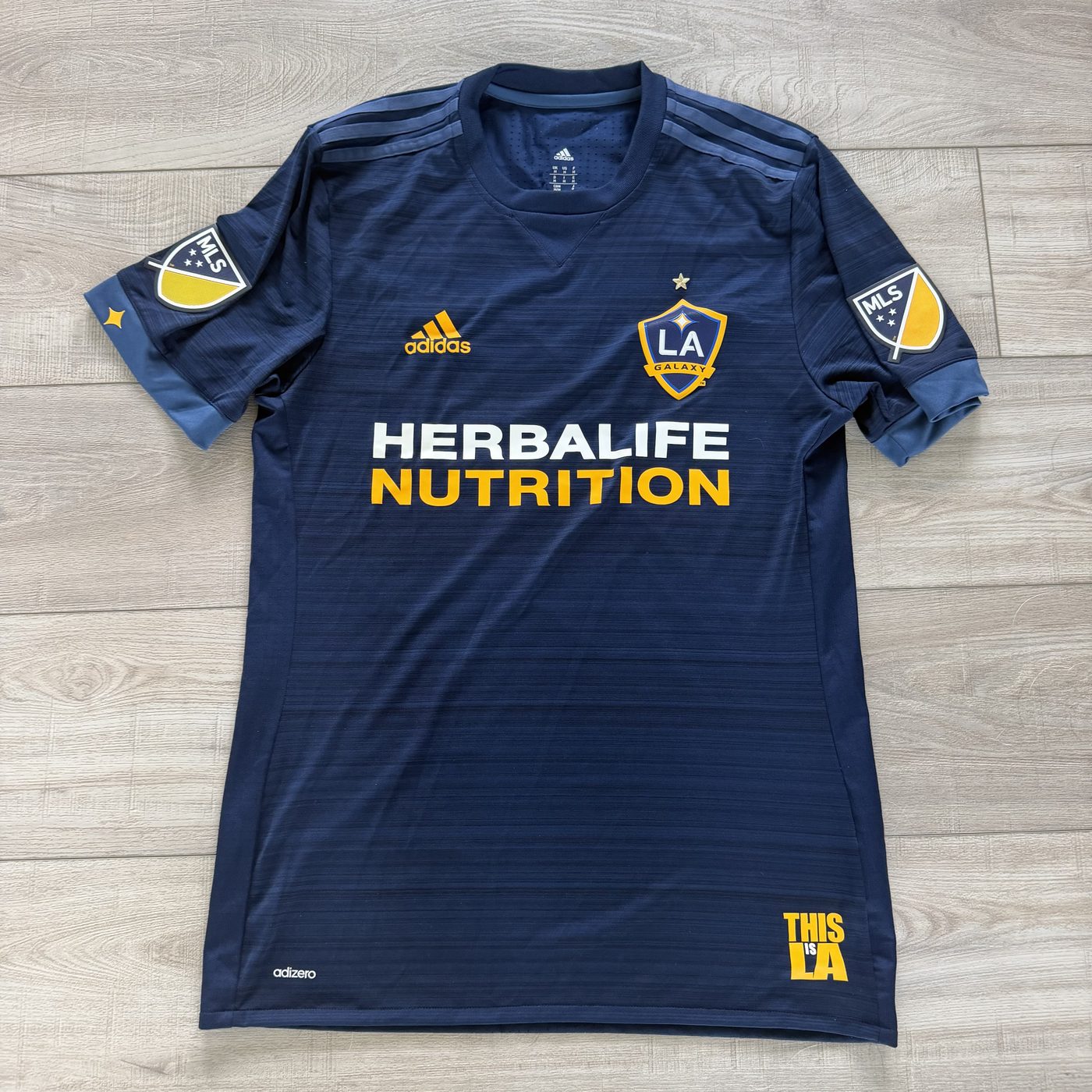
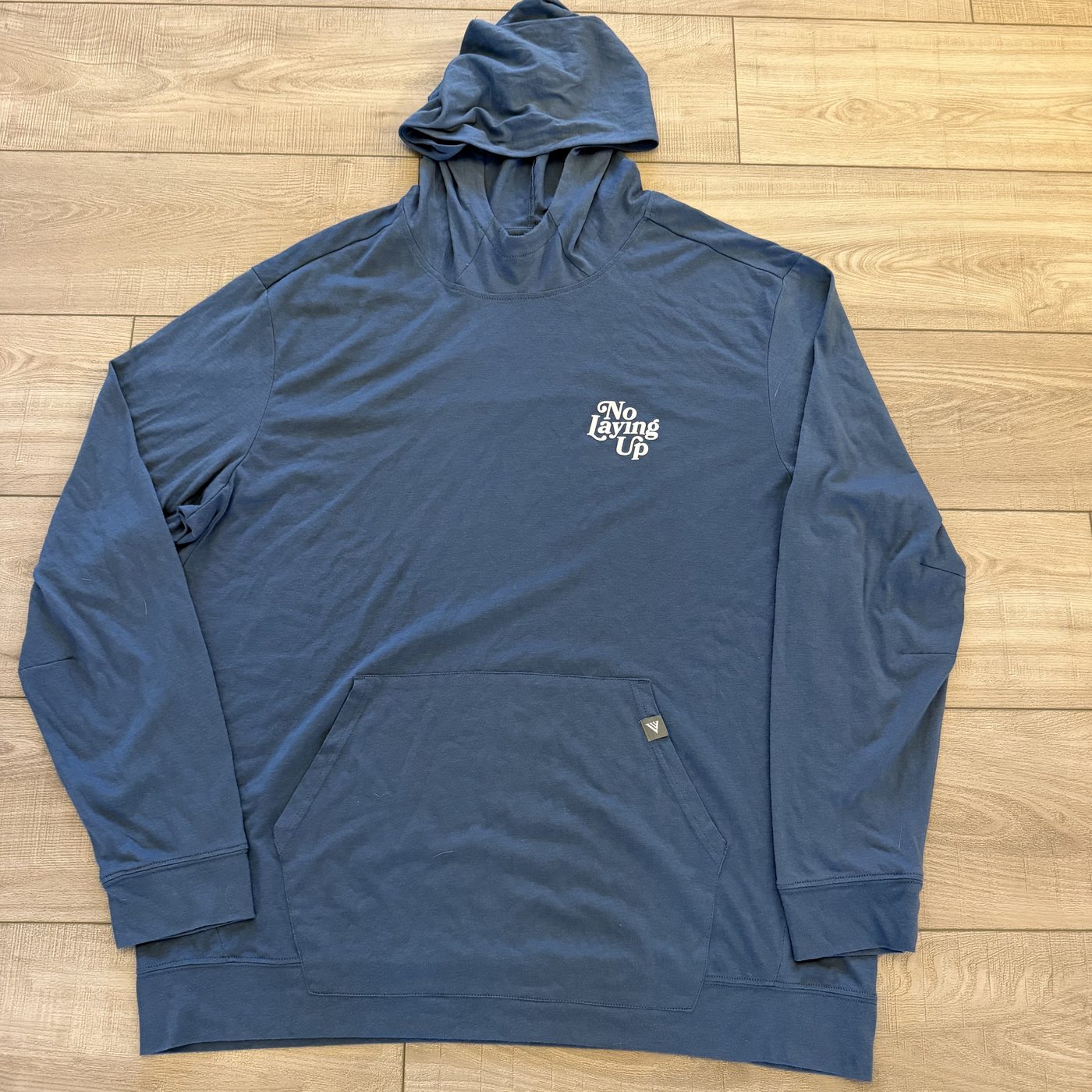
Flip Breakdowns
Flannel Shirt Resale Value: A $5 Skate Brand Flannel That Sold for $25
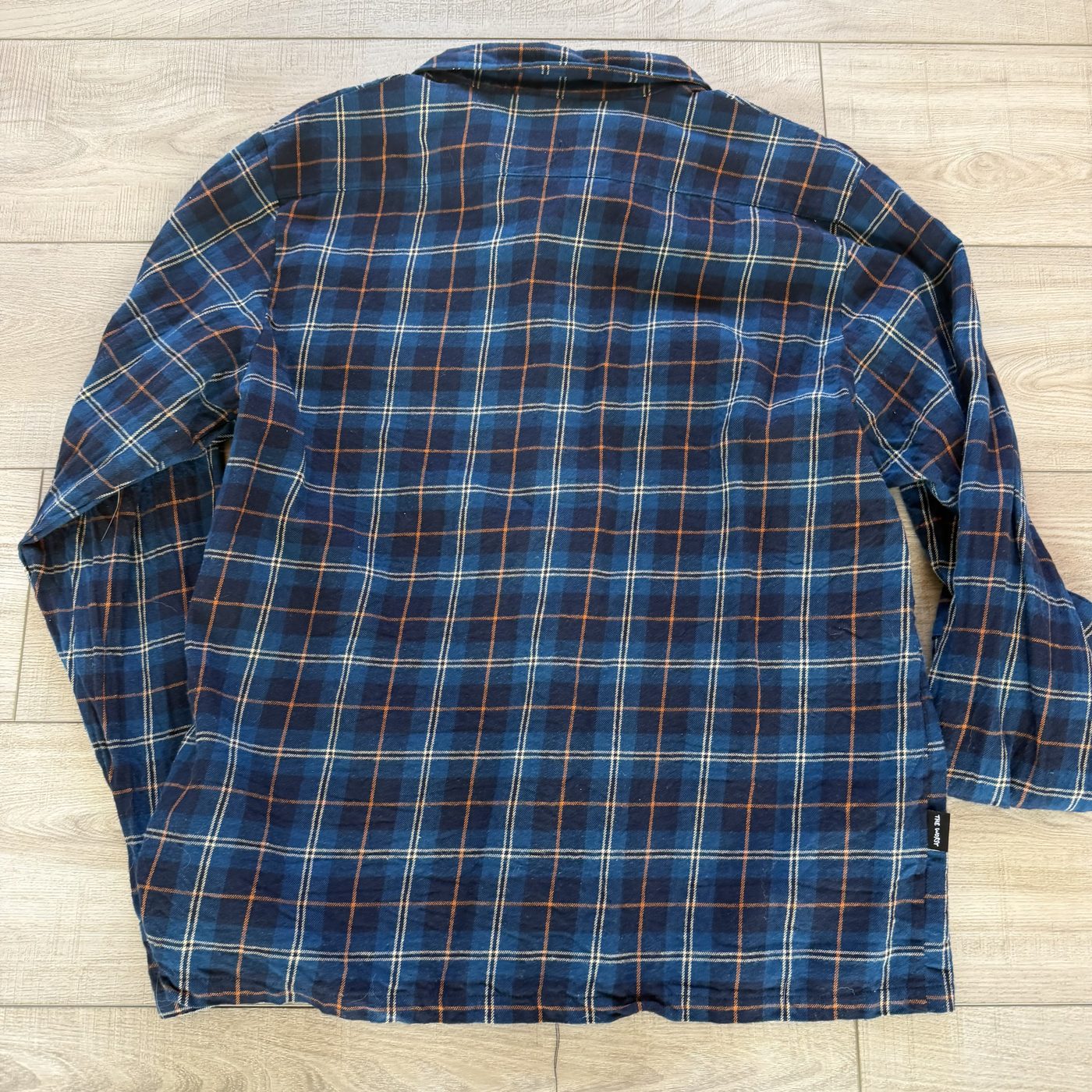
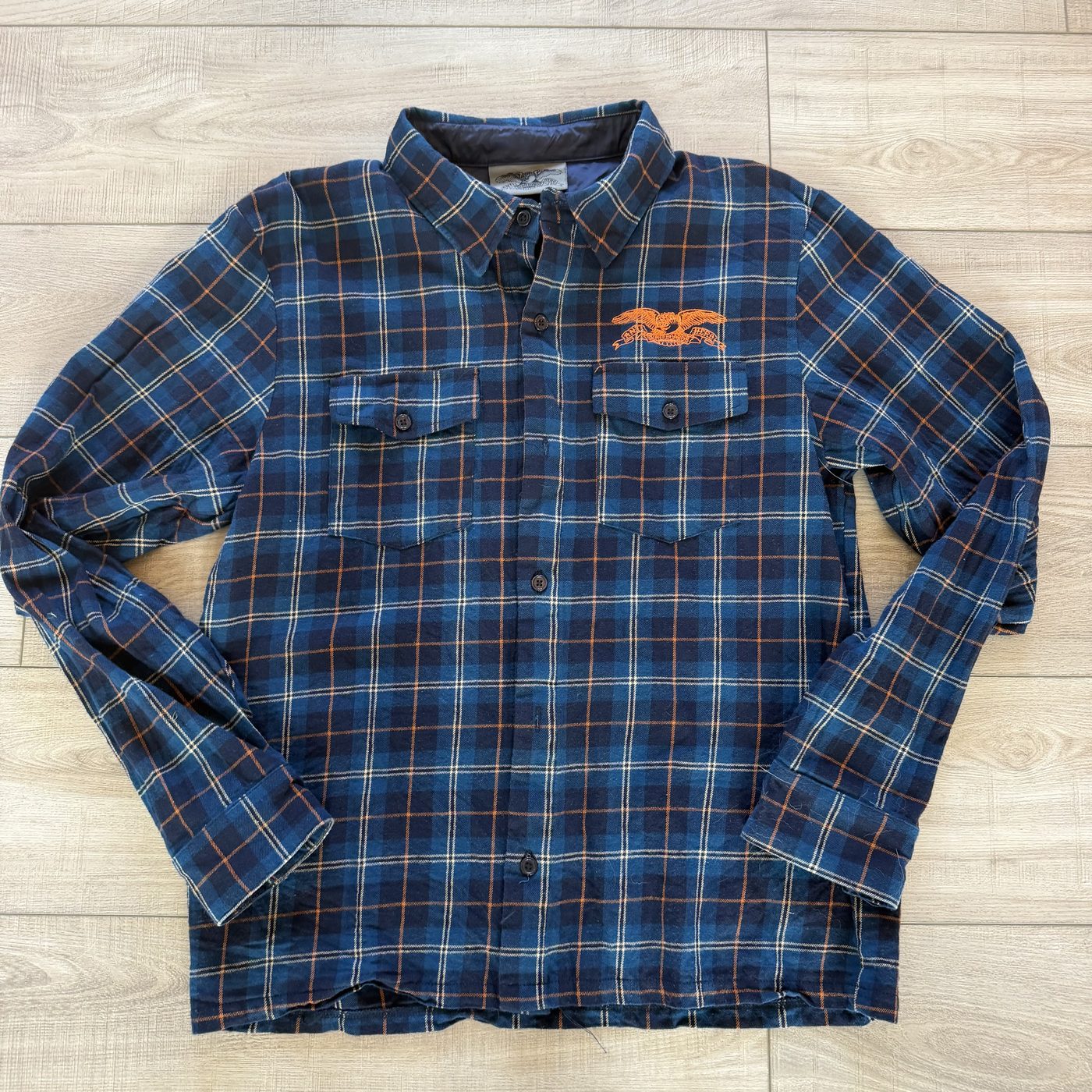
Flannel shirt resale value from a real eBay flip. A $5 thrifted Anti Hero skate flannel sold for $24.95 the same day it listed and cleared $16.58.
Fee estimated at 13.5 percent; eBay had not yet returned the exact figure.
Every thrift store in the country has a flannel rack, and it is enormous. Forty plaid button ups packed so tight you have to fight the hangers apart, almost all of them from mall brands that sell new for twenty dollars and resell for nothing.
So most people walk past the whole rack. That rack is exactly where this shirt was, and it cleared $16.58.
The flannel rack is sorted by pattern, not by brand
Here is the quirk that makes plaid different from the rest of the store. A jacket announces itself. You see the Carhartt stitching or the Patagonia label from six feet away, and so does everyone else working the same store.
Plaid all reads the same at a distance. Blue check next to red check next to green check, and the eye slides right over it. Nothing about the pattern tells you whether you are holding a twelve dollar clearance shirt or a skate label that sold in limited seasonal runs.
That is the opening. A category with high volume, low average value, and no visual shortcut is a category where the good pieces survive the picks before you. You cannot skim it. You have to touch the collars.
Skate brands are small runs with a fixed audience
Anti Hero has made skateboards since the 1990s and prints apparel in seasonal drops rather than continuous production. When a colorway is gone, it is gone. There is no restock button.
The buyers are not shopping for a warm shirt in September. They are looking for a specific brand they already care about, which is why the search terms are exact and the traffic is small but serious. Skate labels behave like band merch that way. The name on the label is the entire pitch.
What the shirt actually is
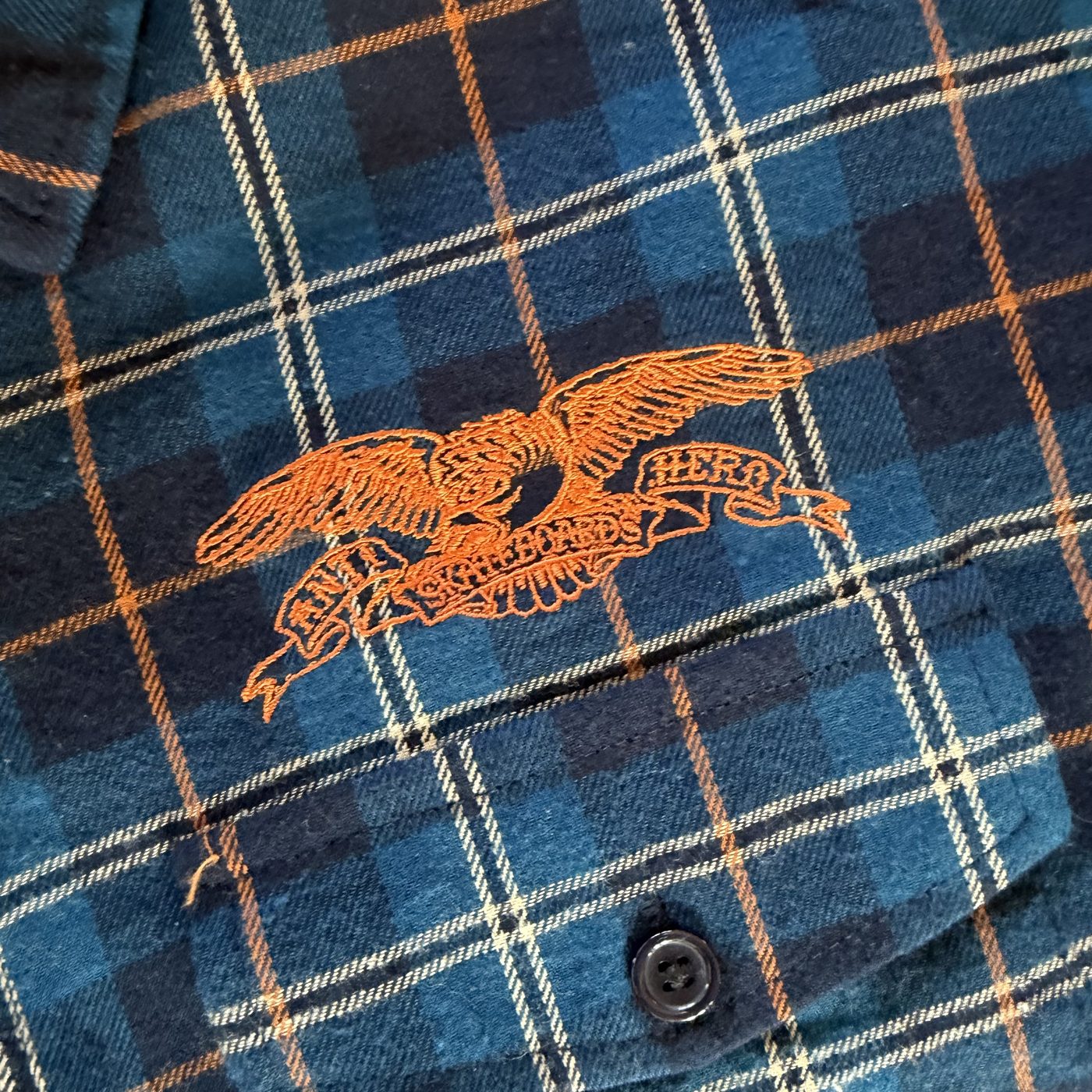
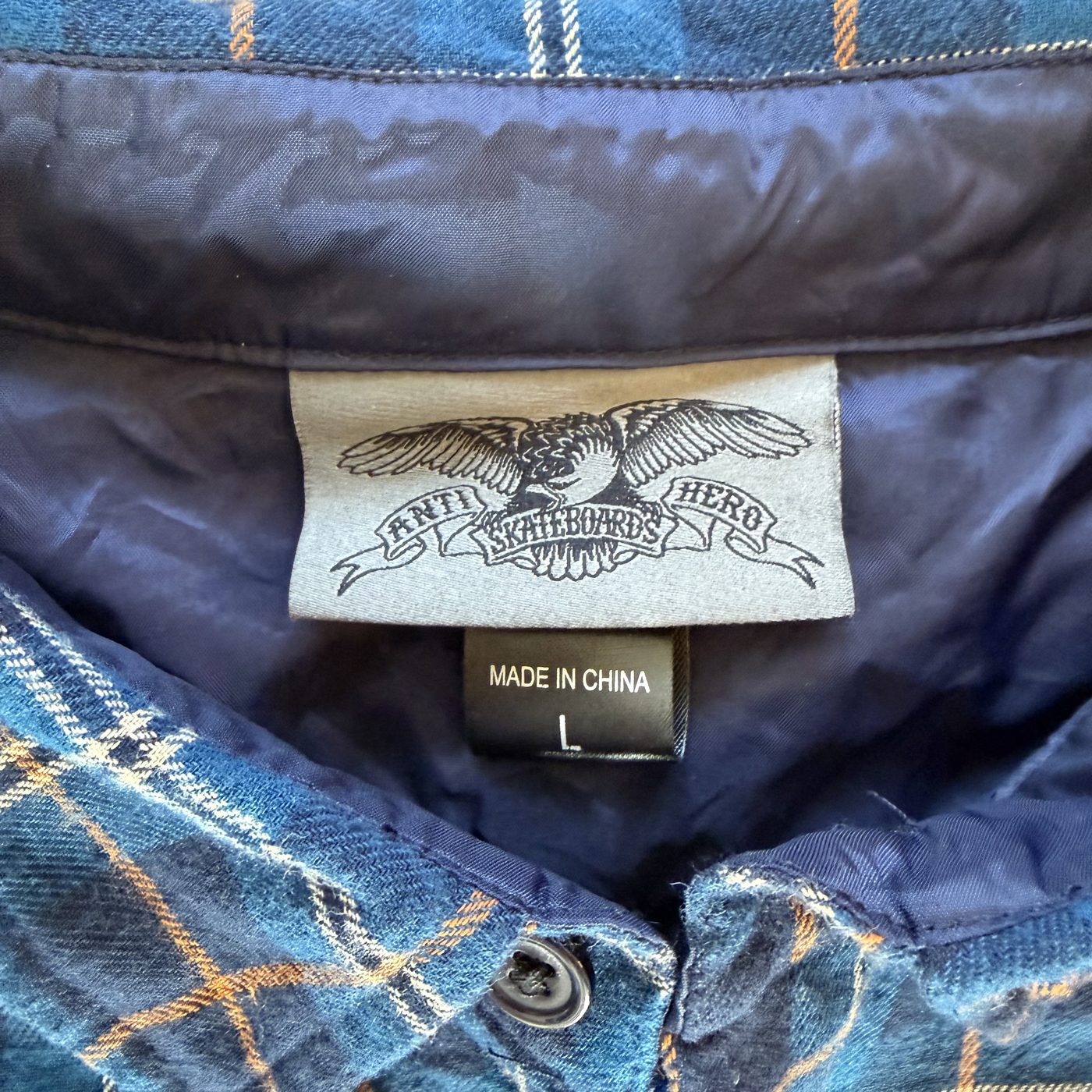
A long sleeve button up in blue, navy, and orange plaid, size Large by the neck tag. The orange Anti Hero eagle is embroidered on the left chest rather than screen printed, which matters because embroidery does not crack the way a print does.
Two flap chest pockets. The woven eagle brand label at the neck, plus a small woven tag at the left side hem. Made in China.
Condition, stated plainly
Pre-owned and excellent. Every button present, no holes, no stains, and the flannel had the soft broken in feel that comes from normal wear rather than damage. It shipped folded in a poly mailer, which keeps a shirt like this in the cheapest weight bracket.
The comps were wrong, and the offer button corrected them
This one is worth being honest about, because the pricing did not go cleanly.
There were no sold prices to work from. The ask was built from six live eBay listings pulled on the query "Antihero flannel shirt plaid," with a median all-in price of $37.11. Six is a thin sample to begin with. Worse, most of those six were Vans collaboration flannels, not the plain Anti Hero branded shirt sitting on the table.
A collab carries two names and two fan bases, so it prices above a single-label piece. Reading the collab median as this shirt's market pulled the estimate up. The listing went live at $31.99 with free shipping and Best Offer turned on.
It sold for $24.95. That is not the ask, and it is nearly the floor of the comp range, which had a low of $24.22.
The lesson is not that the price was missed. It is that Best Offer absorbed the miss. When the comp set is small or contaminated by pieces that are not really your piece, the offer button is what converts a bad guess into a sale instead of a listing that sits for four months.
The numbers
| Line | Amount |
|---|---|
| Source cost | $5.00 |
| Listed at | $31.99 |
| Sold for | $24.95 |
| eBay fee (estimated 13.5 percent) | $3.37 |
| Profit | $16.58 |
Two notes belong with that table.
That five dollars is a budget line rather than a till receipt. Clothing out of a thrift store gets recorded at the top of what the category is allowed to cost, and plenty of pieces land under it. Nothing lands over it.
The fee is an estimate. eBay had not posted its exact cut when this row was written, so 13.5 percent stands in until the real figure arrives. Shipping was free to the buyer, so the label came out of that $16.58 rather than off their card.
It sold the same day
The listing went up on September 5 and the order came in on September 5.
Speed like that usually means the price was under the market, and here it probably was. A same-day sale on a used shirt is a signal worth reading rather than celebrating. If a piece goes in hours, the next one like it gets listed higher.
How to spot the next one
Read the neck label on anything plaid. That is the whole method. Skate brands, outdoor brands, and workwear all hide in the same rack, and the label is the only thing separating them from the mall stuff.
Look for embroidery instead of a printed logo. It costs more to produce, it survives washing, and it is a decent proxy for a shirt that was not made to be cheap.
Check the hem and the side seams for a second woven tag. Small labels tend to mark their pieces in more than one spot.
Skip anything missing buttons. On a button up the closure is the function, and a gap in the placket takes the listing down with it.
The takeaway
Volume categories look picked over because they are easy to skim, and skimming is exactly what leaves things behind. The flannel rack is not competitive. It is just slow, and slow work is the kind most people will not do.
Five dollars and about ninety seconds of reading collars is what this one cost.
The sourcing runs, the shirts that got put back, and the comp work behind numbers like these are on the channel.