Flip Breakdowns
Broadway Merch Resale Value: A $5 CATS Hoodie That Sold for $36
Broadway merch resale value from a real eBay flip. A $5 thrifted CATS the musical zip hoodie sold for $36 in two days and cleared $26.11 after fees.
Fee estimated at 13.5 percent; eBay had not yet returned the exact figure.
Most resellers have a rule about plain black sweatshirts, and the rule is walk away. There are a hundred of them on every rack, they photograph badly, and almost none of them are worth the hanger space.
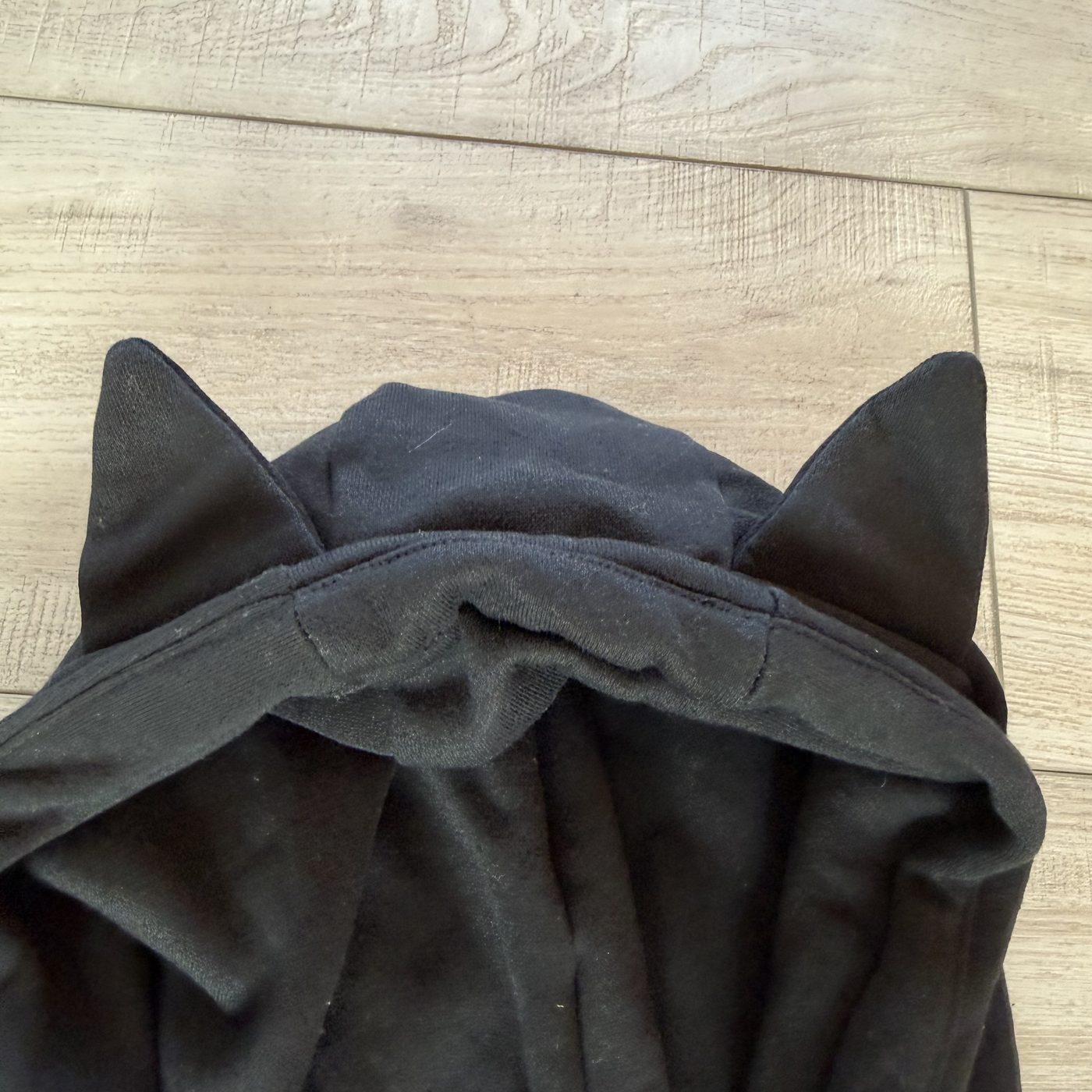
This one had ears sewn into the hood. It cost five dollars and sold for $35.96 two days after it went up.
Show merch is a licensed category hiding in the wrong aisle
Reselling advice tends to sort clothing by brand: Nike, Patagonia, Carhartt, the names that print money. Broadway and touring show merchandise does not fit that sort, so it gets skipped.
It should not be. A long-running show is a licensed property with a fan base, a closed print run, and no way to reorder. CATS ran on Broadway from 1982 to 2000 and has toured more or less continuously since, and every one of those runs sold merchandise inside the theater and nowhere else. Nobody can go buy this hoodie new today. That is the same structural setup that makes a concert tour shirt or a closed-park souvenir worth money, and it applies to musicals, plays, ballets, and touring productions alike.
The people buying are not general shoppers. They are theater kids, cast and crew, and fans who saw the show and want the thing they did not buy at intermission.
What the hoodie actually is
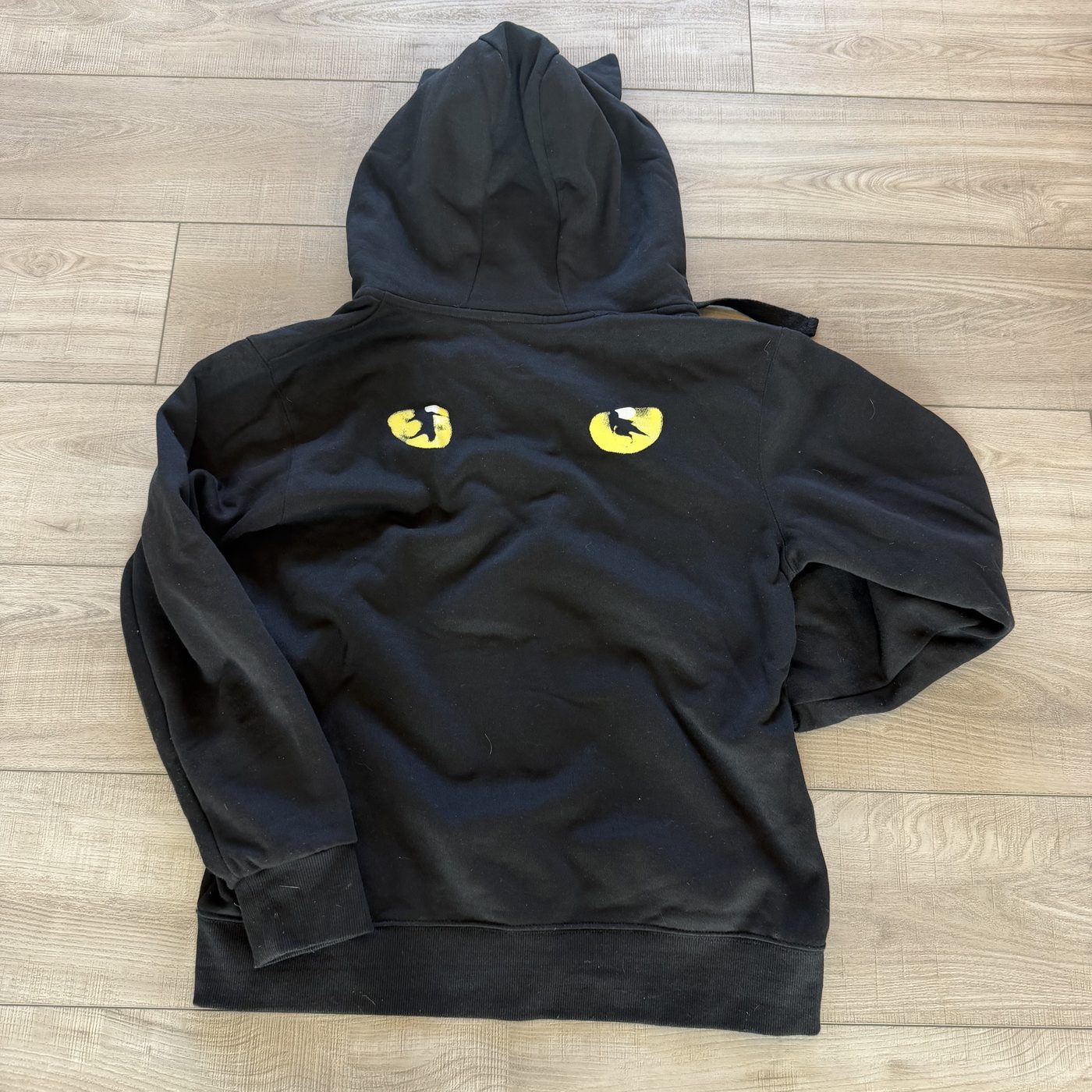
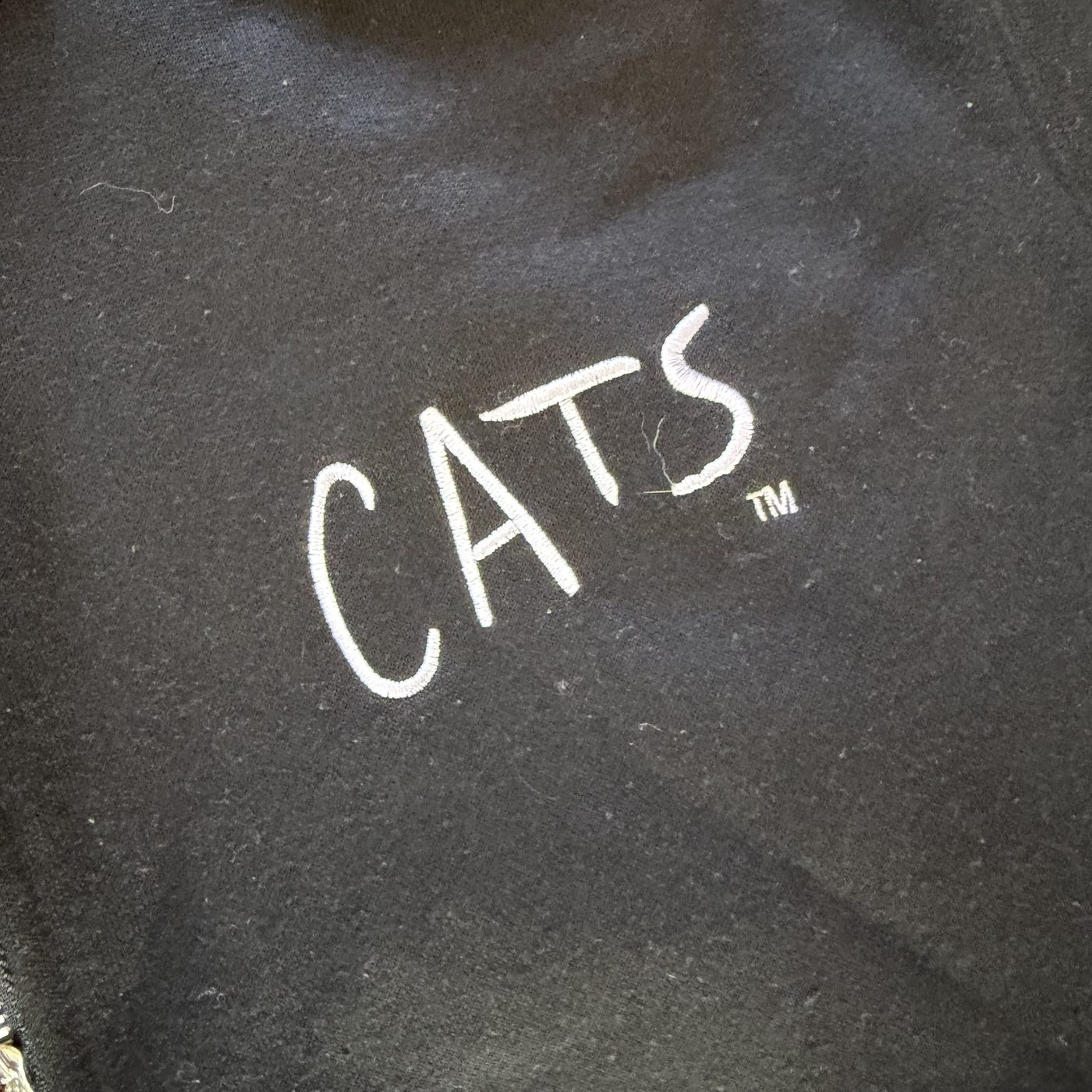
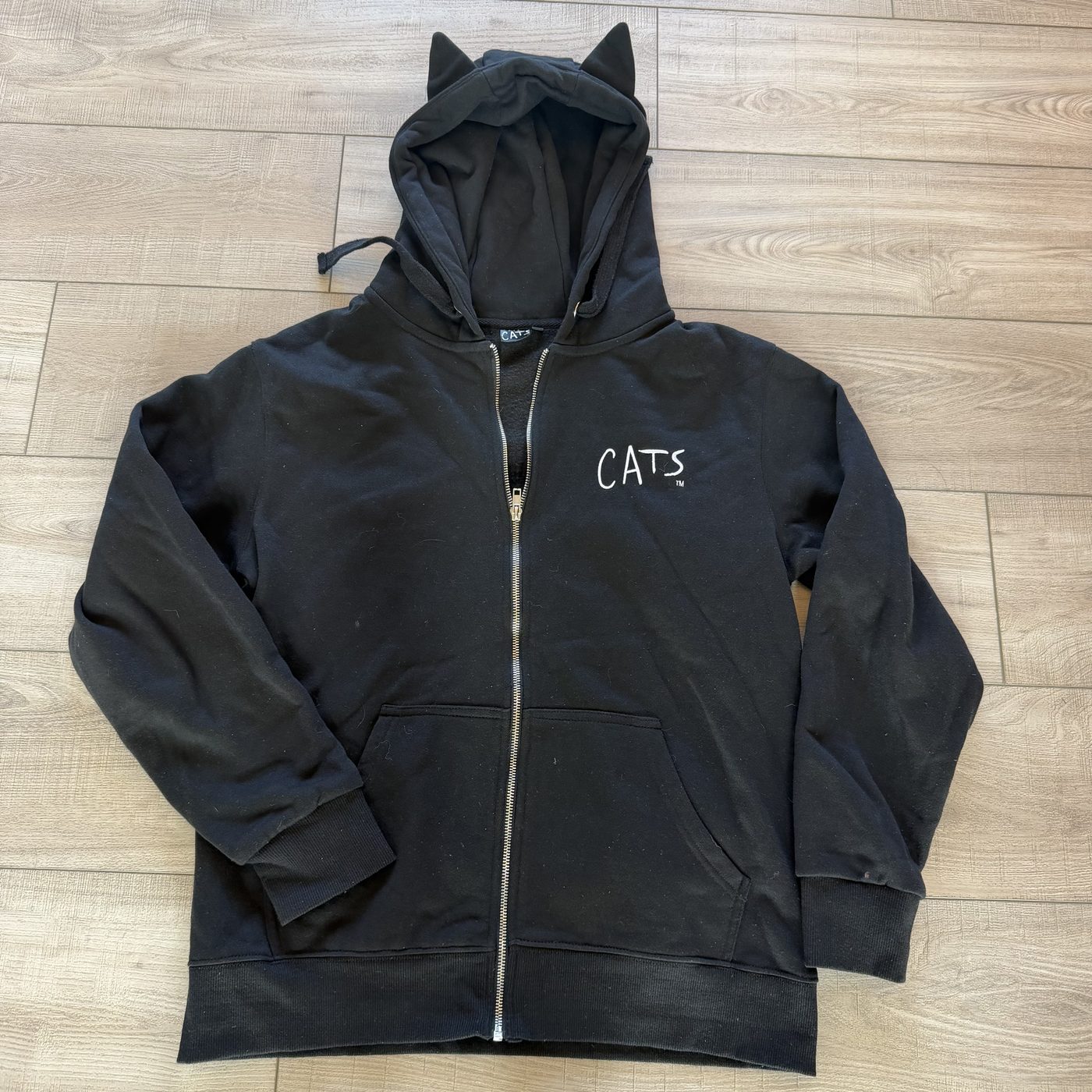
Black full zip in size Large. The CATS logo is printed in white on the left chest in the show's hand-scrawled lettering, with the trademark symbol next to it. The back carries the artwork everybody recognizes: two yellow cat eyes with dancer silhouettes inside the pupils.
The detail that separates it from a novelty sweatshirt is the hood. Two pointed cat ears are sewn into the seam, shaped and stitched as part of the construction rather than glued on. That is licensed merch tooling, not a craft project.
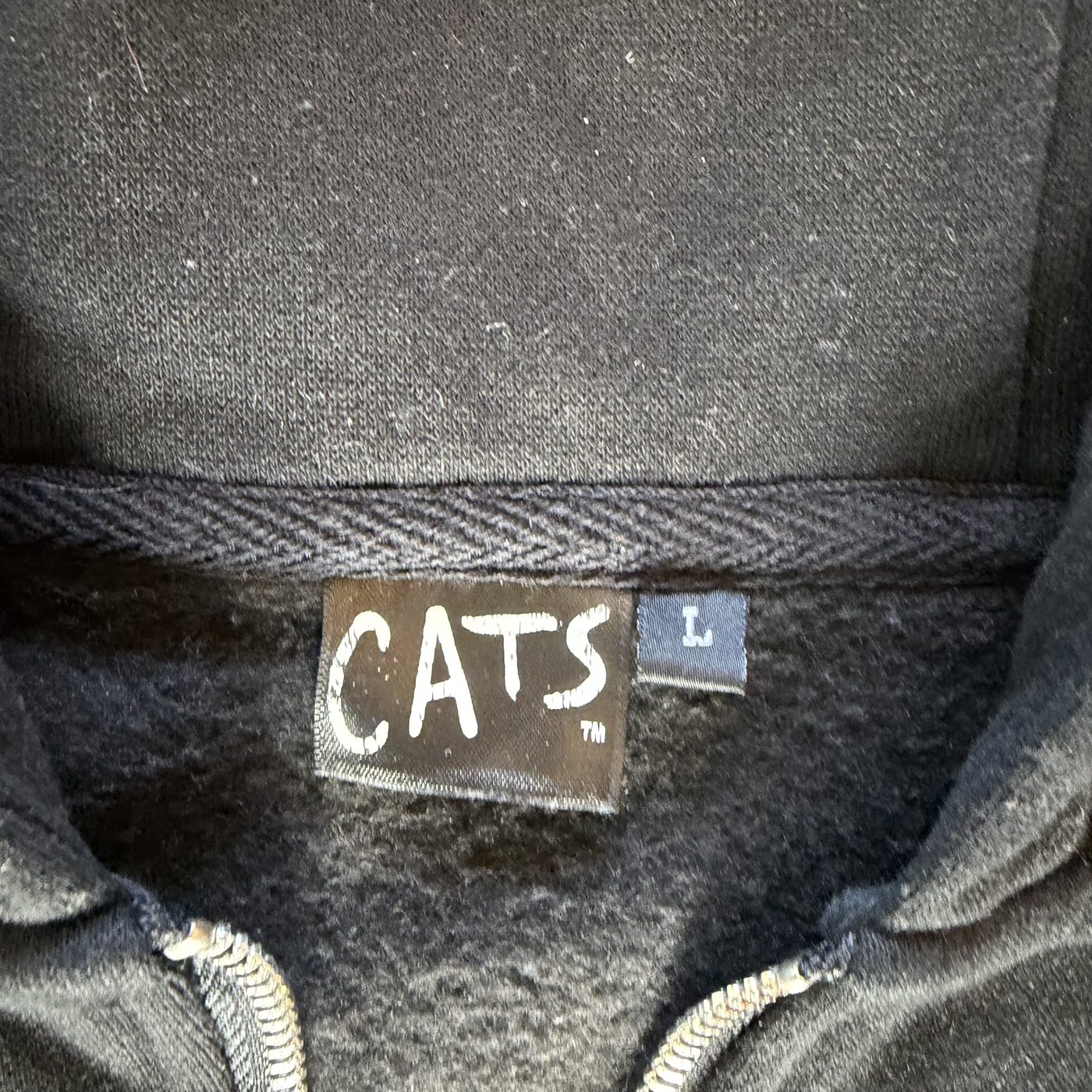
Neck tag reads CATS. The show is the brand, and it is the only label in the garment.
Condition notes, stated plainly
Pre-owned and honest about it. The black had softened a little but was still deep, both prints were intact with no cracking along the edges, the zipper ran clean end to end, and there were no holes, stains, or repairs.
Black cotton is unforgiving on camera. Every stray thread and bit of lint shows, which is why the photos went down on a light wood floor instead of a dark surface. A black garment needs a background that disagrees with it.
Listing it when you cannot see sold prices
The price did not come from sold comps. eBay does not release sold data through its open API, so the ask was built from eleven live CATS hoodie listings, which had a trimmed median of $35.55 including shipping.
The listing went up at $39.95 with Best Offer turned on. That is roughly twelve percent above the live median, which is deliberate: an active listing is somebody's asking price, so a cluster of them marks the ceiling of the market rather than its middle. Sitting a little above it and leaving the offer button on lets a buyer walk the price down to wherever the real number is.
A buyer did exactly that. The accepted offer was $35.96, which is ten percent off the ask and within forty-one cents of the live median. The estimate was good. The mechanism that proved it was Best Offer, not confidence.
The numbers
| Line | Amount |
|---|---|
| Source cost | $5.00 |
| Listed at | $39.95 |
| Sold for | $35.96 |
| eBay fee (estimated 13.5 percent) | $4.85 |
| Profit | $26.11 |
Two things about that table deserve saying out loud.
The five dollars is a ceiling rather than a receipt. Thrifted clothing gets booked here at the most it is permitted to cost, and plenty of it lands under that figure. Nothing in this category gets bought above it.
The fee is an estimate. eBay had not reported its exact take when this row was recorded, so 13.5 percent holds the spot until the real number lands. Shipping was free to the buyer, which means the label came out of the $26.11 and not off their card.
Two days on the site
Listed September 5, sold September 7. For a used black sweatshirt that is unusually fast, and the speed came from the search term rather than the garment.
Somebody looking for this typed CATS and hoodie into the box. There is no competing interpretation of that phrase in apparel, no size ambiguity, no brand to disambiguate. The title matched a specific want, and specific wants close quickly.
How to spot the next one
Read the neck tag before you judge the sweatshirt. Show merch is usually tagged with the production name itself, sometimes with a tour year underneath it, and that is the whole identification.
Check the artwork against the show's real poster. The yellow eyes are CATS the way the falling chandelier is Phantom. Official merch uses the production's own key art, and knockoffs usually do not bother.
Look for construction the graphic cannot fake. Sewn ears, a tour date list down a sleeve, a cast credit on the back. Those come from a licensed run.
Skip anything with a cracked print. On a piece where the artwork is the entire value, a broken graphic takes the listing with it.
The takeaway
The brand-name rule is a good default and a bad ceiling. Plenty of money sits in garments with no recognizable brand at all, as long as something on them is licensed, out of print, and searchable by name.
A five dollar black hoodie is nothing. A five dollar black hoodie with a closed Broadway run printed on the back is a listing with an audience already waiting for it.
Sourcing runs, the pieces that did not make the cut, and the comp work behind these numbers are all on the channel.