Flip Breakdowns
Adidas Shorts Resale Value: A $5 Vintage Pair That Sold for $26
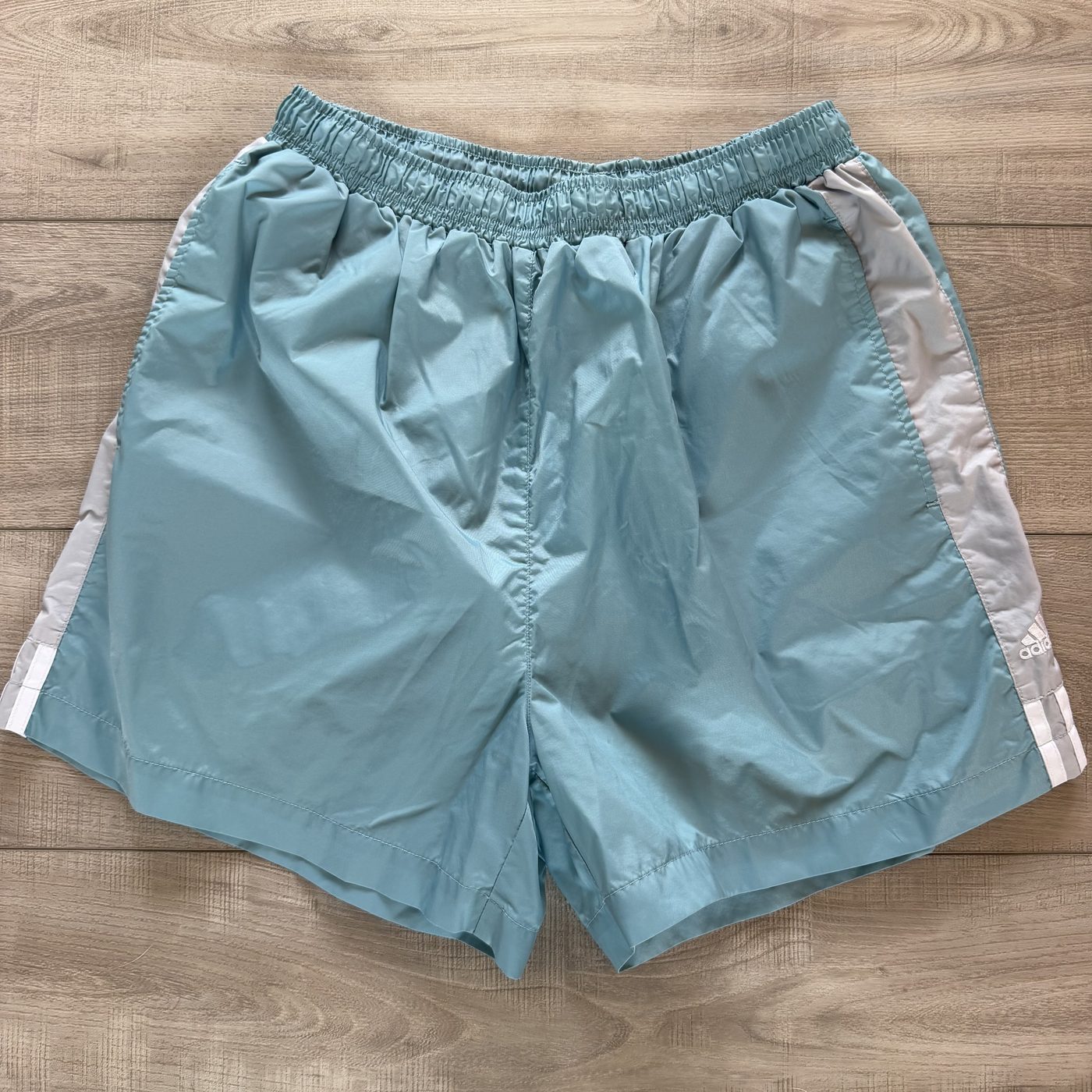
Adidas shorts resale value from a real eBay flip. A $5 thrifted vintage pair sold for $25.91 and cleared $17.41 in profit after fees.
Fee estimated at 13.5 percent; eBay had not yet returned the exact figure.
Shorts are the rack most resellers walk straight past. They are cheap, they are everywhere, and half of them are gym-class castoffs that will never sell. So the bin stays full and the good pairs sit in it for weeks.
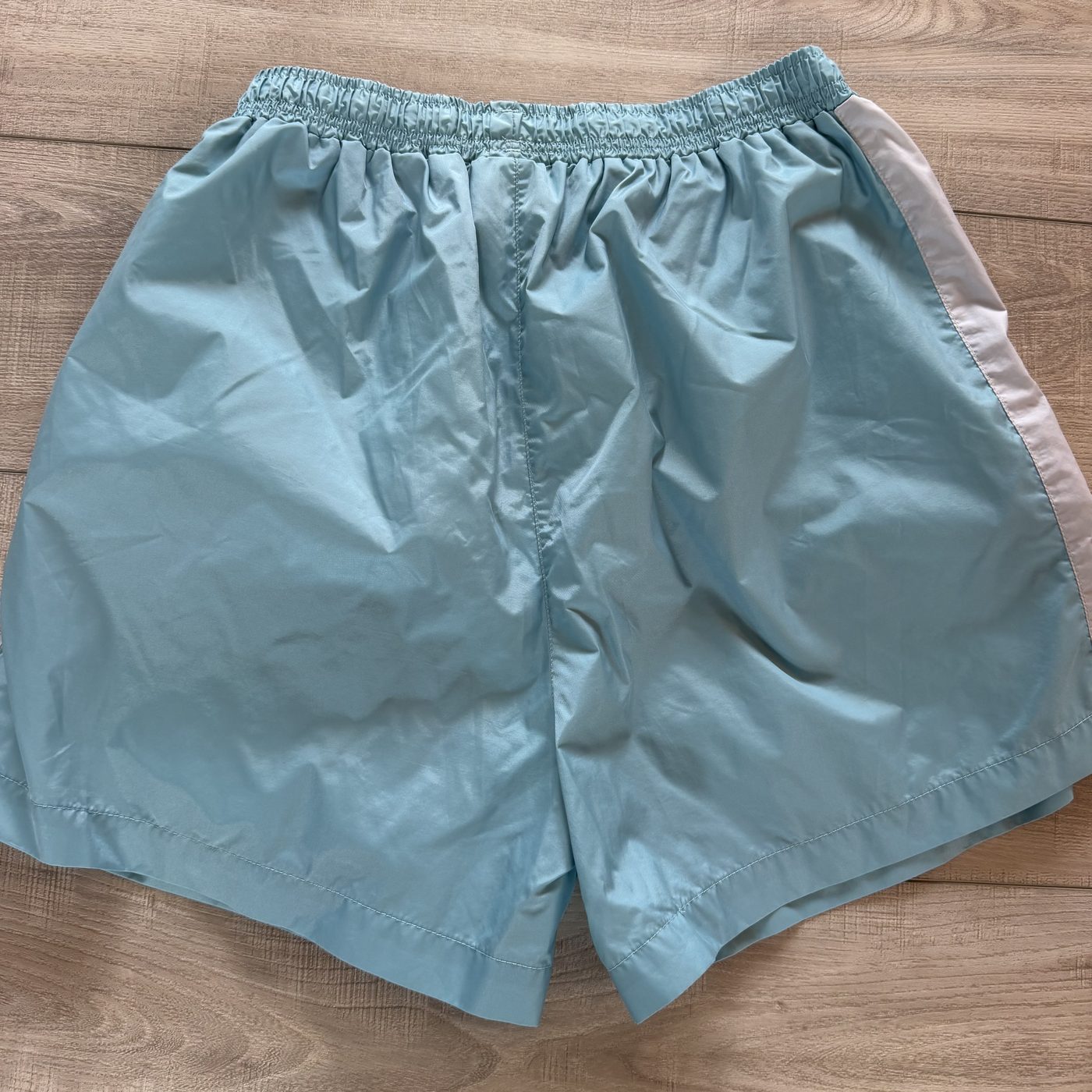
This teal adidas pair came out of that bin for five dollars. It sold on eBay for $25.91.
The logo on the tag tells you which line you are holding
Every pair of adidas shorts looks about the same hanging on a rack. The tag is where they separate.
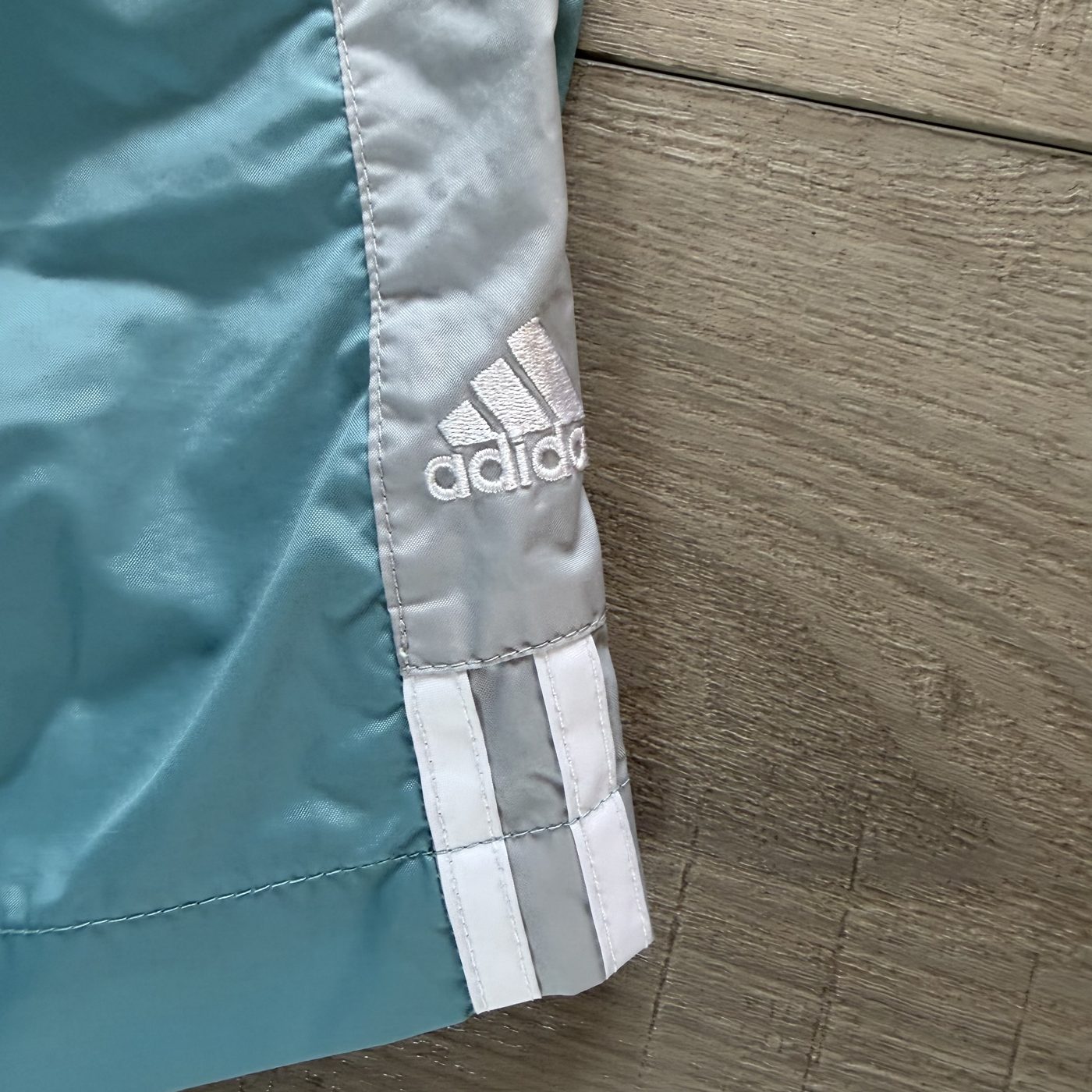
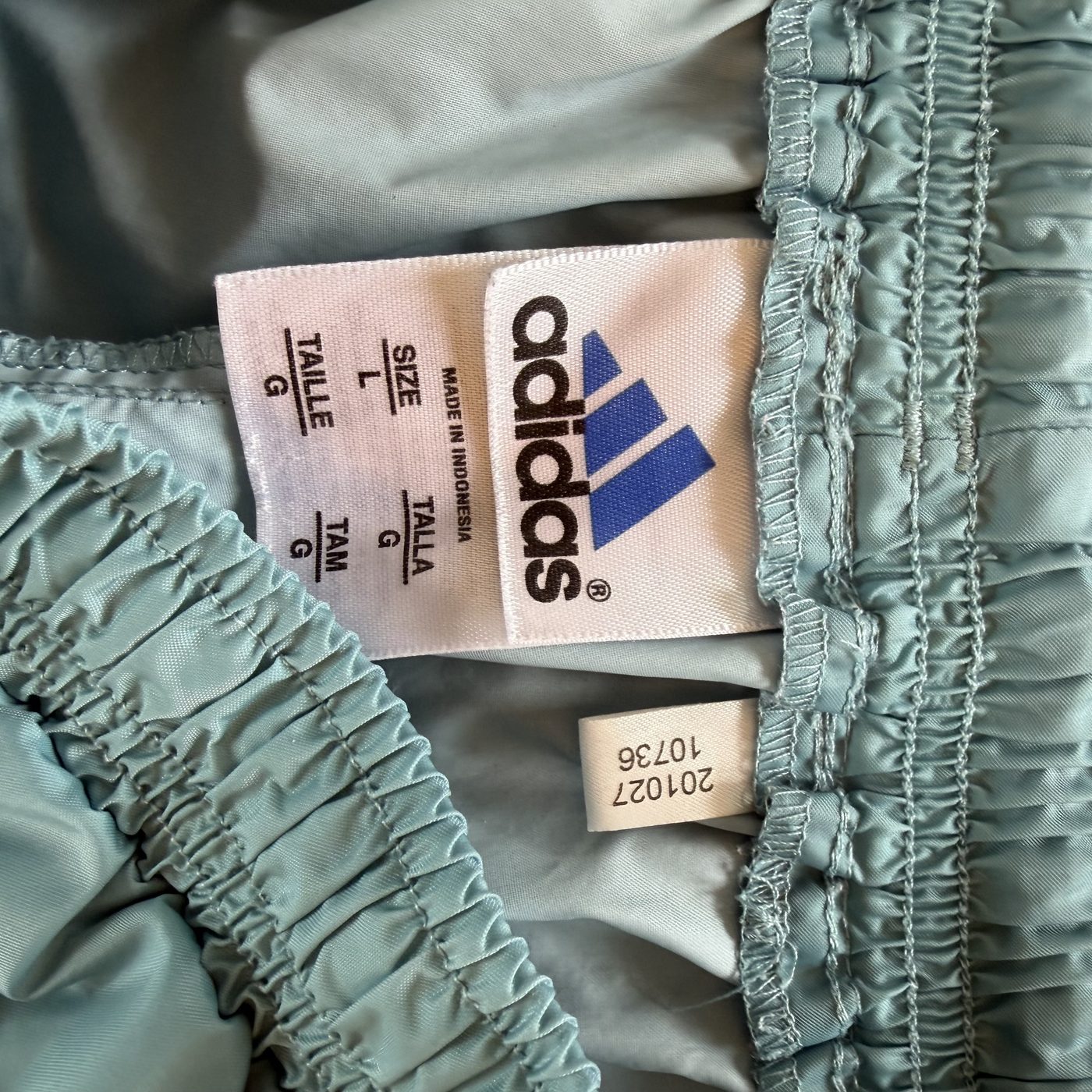
Adidas has two marks it has used on apparel for decades. The trefoil, the three-leaf shape, is the older badge and it is now the mark of the Originals line. The three angled bars, sometimes called the mountain or performance logo, came later and sits on the athletic side of the business. Which one is printed inside the waistband narrows down both the era of the piece and the line it belongs to, and those two things move the price more than the color does.
This pair carries the older-style bar tag, which is why it went up as vintage rather than as a generic pair of gym shorts. That single word in the title puts the listing in front of a completely different buyer. People shopping vintage sportswear are not comparing your shorts to a four-pack at a big box store. They are comparing them to other vintage shorts, and they pay accordingly.
So before you toss a pair back, turn the waistband inside out and read the tag. Ten seconds.
When the tag gives you no department, you measure
The interior tag on these listed a size L and nothing else. No mens, no womens, no youth.
That is common on older athletic wear and it is a trap if you guess. Guess wrong and you get a return, and a return on a twenty six dollar item eats the whole flip.
The fix is to stop guessing and start measuring. Lay the shorts flat, measure the waist across from side seam to side seam with the elastic relaxed, measure the inseam from the crotch seam to the hem, and measure the total length from the top of the waistband down. Put all three numbers in the listing and add a plain line telling the buyer to compare against a pair they already own.
That line does two jobs. It gets the buyer to self-select into the right size, and it gives you something concrete to point at if a return request ever shows up claiming the fit was misrepresented.
Three sold comps is thin data, so trust the median
Before this one got listed, the comp pull turned up only three sold pairs in the previous ninety days. The average of those sales was $28.17. The median was $26.49.
It sold for $25.91.
That gap is the lesson. When a category has a handful of recent sales instead of a hundred, one lucky high sale drags the average up and away from reality. The median ignores that outlier and lands on what the next buyer is actually likely to pay. On thin data, the median is the honest number and the average is the optimistic one.
Price off the median, list it with Best Offer turned on, and let the market close the last couple of dollars.
The numbers
| Line | Amount |
|---|---|
| Bought | $5.00 |
| Sold on eBay | $25.91 |
| eBay fee, estimated at 13.5 percent | $3.50 |
| Profit | $17.41 |
The fee is the soft line in that table. eBay had not returned the exact final value fee on this order, so it is carried at the standard 13.5 percent estimate instead of being printed as a hard number. Every other figure is what actually happened.
It also took a while. The listing went live on August 15 and the sale came through on September 14, which is thirty days sitting there while the last of summer ran out. Shorts are seasonal, and a pair listed in the back half of August is arriving late to its own season.
Why a cheap category still pays
Seventeen dollars is not a headline. But look at what it cost to get there.
Five dollars in. A pair of nylon shorts weighs almost nothing and folds down to the size of a sandwich, so it goes out in the cheapest poly mailer on the shelf with no box, no filler, and no dimensional weight problem. There is nothing on this item that can break in transit, which means no damage claims.
Compare that against a twenty six dollar sale on something rigid. The box costs money, the filler costs money, the weight costs money, and a bad landing costs you the entire sale. The margin that survives is a fraction of this one.
Low ticket does not mean low value when the cost of handling the item is close to zero. That is the whole case for working the racks that other people find boring.
Take this to your next sourcing run
Three things carried this flip, and none of them required knowing anything about shorts in advance.
Read the tag before you decide, because the logo on it is what separates a vintage listing from a generic one. Measure anything that does not tell you who it was cut for. And when the sold comps are thin, price off the middle sale rather than the best one, because the middle sale is the one that repeats.
Five dollars became $17.41 on a rack most people do not stop at. That is worth the ten seconds it takes to check.